

Lesson 1 2Q2021
Lesson 1 *March 27–April 2
What Happened?
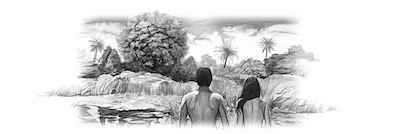
Sabbath Afternoon
Read for This Week’s Study: Ps. 100:3; Acts 17:26; Gen. 2:7, 18–25; Gen. 1:28, 29; Gen. 3:15.
Memory Text: “Then God said, ‘Let us make humankind in our image, according to our likeness. . . .’ So God created humankind in his image, in the image of God he created them; male and female he created them” (Genesis 1:26, 27, NRSV).
The biblical account of the creation of humanity is one filled with hope, happiness, and perfection. Each day of Creation ended with the divine pronouncement that it was “good.” Certainly that didn’t include typhoons, earthquakes, famine, and diseases. What happened?
The sixth day of Creation ended with the divine pronouncement that it was “very good.” That is because that day the Lord created beings in His own image: humans—something He had not done with anything else in the Genesis account. Of course, these beings were perfect in every way; they’d have to be. After all, they were made in the image of God. Thus, of sheer necessity, they did not include murderers, thieves, liars, swindlers, and the vile in their ranks. What happened?
This week’s lesson looks at the creation, at what God had first made, and then at what happened to that perfect creation. Finally, it touches on the quarter’s theme: what God is doing to make things right again.
The Week at a Glance: What does the Bible teach about origins? What kind of relationship did God want with humanity? What was the purpose of the tree of the knowledge of good and evil? What hope was given to Adam and Eve immediately after they fell?
* Study this week’s lesson to prepare for Sabbath, April 3.
Sunday March 28
Turtles All the Way Down . . .
“In the beginning God created the heaven and the earth” (Gen. 1:1).
A scientist had just lectured on the orbits of the planets around the sun, and the orbit of the sun around the center of the galaxy, when an elderly woman in black tennis shoes rose and said that the earth was a flat disc sitting on the back of a turtle. The scientist, jesting, asked what the turtle sat on, and she responded that it sat on another turtle. “Ma’am,” the scientist continued joking, “what then does that turtle sit on?”
She answered, “Another turtle,” but before he could ask what that turtle sat on, she wagged her finger in his face and snapped, “Save your breath, sonny; it’s turtles all the way down.”
However cute, that story deals with the most crucial issue of human existence—the nature of the universe itself. What is this world that we find ourselves in by no choice of our own? Why are we here? How did we get here? And where are we all finally going?
These are the most basic and fundamental questions people could ask, because our understanding of who we are and how we got here will impact our understanding of how we live and how we act while we are here.
Look up the following texts: Genesis 1:1; Psalm 100:3; Isaiah 40:28; Acts 17:26; Ephesians 3:9; and Hebrews 1:2, 10. How does each one, in its own way, answer some of the above questions? What is the one point that they all have in common?
What is interesting about Genesis 1:1 (or even the other texts) is that the Lord does not attempt to prove that He is the Creator. There are no elaborate arguments to make the point. Instead, it is simply and clearly stated, with no attempt to justify, explain, or prove it. Either we accept it on faith, or we do not. In fact, faith is the only way that we can accept it, for one simple reason: none of us were here to see the creation process itself. It would, indeed, have been a logical impossibility for us to have been there at our own creation. Even secularists, whatever view of origins they hold, have to take that view on faith for the same reason that we as creationists have to: none of us were there to view the event.
Nevertheless, even if God has asked us to believe in Him as Creator, He does not ask us to believe without giving us good reasons to believe. Realizing that there is a certain amount of faith required in almost anything we believe, write down reasons why it makes sense to have faith that we are here because a Creator purposely put us here, as opposed to our origins being rooted in nothing but pure chance.
Monday March 29
In the Image of the Maker (Gen. 1:27)
The Bible states that God created humankind—male and female—“in His own image” (Gen. 1:27, NKJV). Use this idea to answer the following questions:
1. What does it mean that God created us in His own image? In what ways are we “in His own image” (NKJV)?
2. According to the Genesis account, did the Lord make anything else “in His own image” (NKJV) other than humankind? If not, what does that tell us about our unique status, in contrast to the rest of the earthly creation? What lessons can we draw from this contrast?
3. What else can be found in the account of the creation of humankind that sets the race apart from anything else the Lord had created? (See Gen. 2:7, 18–25.)
Although we must speak of God in human terminology, we must not forget that He is a spiritual Being (John 4:24), possessing divine characteristics. All we can say is that in our physical, mental, and spiritual natures, we reflect in some way our divine Creator, however much there remains about Him that, at least for us, is still shrouded in mystery. The Bible emphasizes, however, the spiritual and mental aspects of our mind. These aspects we can develop and improve. It is the uniqueness of the human mind that makes possible a nourishing relationship with God, something the rest of God’s earthly creation seems unable to do.
Notice, too, the unique account of how God made woman. Both men and women share the incredible privilege of being made in the image of God. In their creation, there is no hint of inferiority of one to the other. God Himself made them both from the same material. God made both equal from the start and placed them together in a special relationship with Him. Both had the same opportunity to develop their God-given characters in a way that would bring glory to Him.
“God Himself gave Adam a companion. He provided ‘an help meet for him’—a helper corresponding to him—one who was fitted to be his companion, and who could be one with him in love and sympathy. Eve was created from a rib taken from the side of Adam, signifying that she was not to control him as the head, nor to be trampled under his feet as an inferior, but to stand by his side as an equal, to be loved and protected by him.”—Ellen G. White, Patriarchs and Prophets, p. 46.
Tuesday March 30
God and Humankind Together (Gen. 1:28, 29)
Notice God’s first spoken words to humankind, at least as they appear in Scripture. He points them to their ability to procreate, to reproduce more of their own kind. He also points them to the earth itself, to the creation, and He tells them to replenish it, to subdue it, and to have mastery over it. He also points them to the plants they can eat. In short, according to the Bible, God’s first words to man and woman deal specifically with their interaction and relationship with the physical world.
What do Genesis 1:28, 29 tell us about how God views the material world? Do they imply that there is something bad in material things and our enjoyment of them? What lessons can we learn from these early scenes in human history about how we should relate to the creation itself?
Also, with these words, God takes the first steps toward a relationship with humankind. He speaks to them, gives them commands, tells them what to do. There’s a responsibility implicit in these words too. God has asked them to be masters over this wonderful creation that He Himself has made.
Genesis 1:28 says that God blessed Adam and Eve. What does that mean? What kind of relationship does it imply between them and their Creator?
God addressed Adam and Eve as intelligent beings who could respond to His kindness and enter into communion and fellowship with Him. Also, as creature-children, Adam and Eve were dependent upon the blessing and care of their Creator-Father. He provided all they needed. They did nothing to deserve what He gave them. They were purely recipients of something they did not earn.
When we read about the creation of man and woman, we can see elements, before sin, of the kind of relationship God wants us to have with Him now, after sin. Review the day’s study and see what parallels you can find that help us understand how we can relate to Him, even in our fallen condition.
Wednesday March 31
At the Tree
“And the Lord God commanded the man, saying, Of every tree of the garden thou mayest freely eat: But of the tree of the knowledge of good and evil, thou shalt not eat of it: for in the day that thou eatest thereof thou shalt surely die” (Gen. 2:16, 17).
This test provided Adam and Eve with an opportunity to exercise their free will. It also challenged them to respond positively or negatively to their relationship with the Creator. It also shows that God had made them free moral beings. After all, if they did not have the opportunity to disobey, why would the Lord have even bothered warning them, in the first place, against disobedience?
“Everything preceding in this chapter has paved the way for this climax [Gen. 2:16, 17]. The future of the race centers upon this single prohibition. Man is not to be confused by a multiplicity of issues. Only one divine ordinance must be kept in mind. By thus limiting the number of injunctions to one, Yahweh gives tokens of his mercy. Besides, to indicate that this one commandment is not grievous, the Lord sets it against the background of a broad permission: ‘from [every] tree of the garden thou mayest freely eat.’ ”—H. C. Leupold, Exposition of Genesis (Columbus, OH: Wartburg Press, 1942), vol. 1, p. 127.
By calling Adam and Eve to obey His will, God was saying: I am your Creator, and I have made you in My image. Your life is sustained by Me, for by Me you live and move and have your being. I have provided all things for your well-being and happiness (sustenance, home, human companionship) and have established you as ruler of this world under Me. If you are willing to affirm this relationship with Me because you love Me, then I will be your God, and you will be My children. And you can affirm this relationship and the trust implicit in it by simply obeying this specific command.
In the end, our relationship with God can be effective and lasting only if we freely choose to accept His will. In essence, rejecting His will is to claim independence from Him. It indicates that we believe we do not need Him. That is a choice that results in the knowledge of evil, and evil leads to alienation, loneliness, frustration, and death.
The test God gave Adam and Eve was one of loyalty and faith. Would they be loyal to their Creator, who had given them everything they needed, plus a world of delights, or would they go their own way, independent of His will? Would they have enough faith in Him to take Him at His word? Their loyalty and faith were tested by the tree of the knowledge of good and evil. In what ways do we face similar tests every day? How does God’s law function as a parallel to the command given in Genesis 2:16, 17?
Thursday April 1
Breaking the Relationship
We tend to believe people we know and instinctively distrust those whom we do not. Eve naturally would have distrusted Satan. Furthermore, any direct attack against God would have made her defensive. What steps, then, did Satan take to bypass Eve’s natural defenses? (Gen. 3:1–6).
“Deplorable as was Eve’s transgression and fraught as it was with potential woe for the human family, her choice did not necessarily involve the race in the penalty for her transgression. It was the deliberate choice of Adam, in the full understanding of an express command of God—rather than hers—that made sin and death the inevitable lot of mankind. Eve was deceived; Adam was not.”—The SDA Bible Commentary, vol. 1, p. 231.
As a result of this blatant transgression and disregard of God’s command, the relationship between God and humankind is now broken. It changed from open fellowship with God to fleeing in fear from His presence (Gen. 3:8–10). Alienation and separation replace fellowship and communion. Sin appeared, and all its ugly results followed. Unless something was done, humanity was heading for eternal ruin.
In the midst of this tragedy, what words of hope and promise did God speak? (See Gen. 3:15.)
God’s surprising word of prophetic hope speaks of a divinely ordained hostility between the serpent and the woman, between her Offspring and his offspring. This climaxes in the victorious appearance of a representative Offspring of the woman’s seed who delivers a deadly blow to the head of Satan, while he would be able only to bruise the Messiah’s heel.
In their utter helplessness, Adam and Eve were to gain hope from this Messianic promise, hope that would transform their existence, because this hope was God-given and God-supported. This promise of the Messiah and of final victory, however vaguely stated at that time, lifted the gloom into which sinning had placed them.
Read Genesis 3:9, where God says to Adam and Eve, “ ‘Where are you?’ ” (NKJV). God, of course, knew where they were. His words, instead of being filled with condemnation, were to draw guilt-ridden humankind back to Him. In short, God’s first words to fallen humanity came with the hope of His grace and mercy. Even now, in what ways do we find God seeking to call us to His mercy and grace?
Friday April 2
Further Thought: The Bible overflows with calls to sinners and backsliders. Compare Psalm 95:7, 8; Isaiah 55:1, 2, 6, 7; Luke 15:3–7; and Luke 19:10. What others can you find?
Also read Ellen G. White, “The Creation,” pp. 44–51; “The Temptation and Fall,” pp. 52–62; and “The Plan of Redemption,” pp. 63–70, in Patriarchs and Prophets.
“There was a gospel sermon, I think, in those three divine words as they penetrated the dense parts of the thicket, and reached the tingling ears of the fugitives—‘Where art thou?’ Thy God is not willing to lose thee; He is come forth to seek thee, just as by-and-by He means to come forth in the Person of His Son, not only to seek but to save that which now is lost.”—Charles Haddon Spurgeon, The Treasury of the Bible, The Old Testament (Grand Rapids, MI: Zondervan Publishing House, 1962), vol. 1, p. 11.
Discussion Questions:
Because the kind and caring God is the One who seeks humankind, how can we respond to this expression of love by the Father and Jesus Christ even now? How does the Lord expect us to respond?
Contrast the biblical picture of humankind as fallen from a lofty place in God’s creation and in need of redemption with the evolutionary theory of development. Which offers more hope, and why?
How essential are loving relationships to human happiness? Why is a flourishing connection to God necessary to such relationships? Discuss the influence of healthy human relationships on the persons in those relationships (parent-child, friend-friend, husband-wife, employer-employee, etc.).
Summary: God created us in His own image so that a loving fellowship could exist between Him and us. Although the entrance of sin shattered the original union, God seeks to restore this relationship through the plan of redemption. Life for us as dependent creatures takes on true meaning and clarity only when we enter into union with our Creator.
Story inside
First Deaf Theology Student
By Jose Rodrigo Martinez Patron
My Seventh-day Adventist mother noticed that I, as a baby, did not respond to sounds in our home in Merida, Mexico. She would call my name, and I did not notice.
Mother sought help when I was about two. She sent me to a special-needs school that taught me sign language and how to speak. My teacher taught me the sounds of letters and words. I put my hand to her throat when she spoke and then tried to replicate the sound with my own throat.
My mother cried because her son couldn’t hear her voice. “Don’t worry,” the teacher said. “Have patience. Everything will work out fine.”
I attended the special-needs school for two hours every day. I also studied at an Adventist school for two hours daily. The church school taught me how to read and write, and, most important, it taught me about God.
I attended the Adventist school up to the age of eight. But the school didn’t have teachers who knew sign language, so Mother ended up sending me to a public school with teachers who could communicate with me.
The first time that I met other Adventist young people with hearing impairments was at a church-organized conference at Linda Vista Adventist University. It was wonderful to mingle with other Adventist young people with the same needs as mine. I was invited to attend the annual conference again in two years. Then the Inter-American Division organized its first special-needs conference and held the event at Montemorelos University in Monterrey, Mexico. At the conference, a desire grew in me to serve God as a pastor. But how? I could never afford the tuition.
As the conference concluded, university president Ismael Castillo made a surprising announcement. “Do any of you want to study here?” he asked. He offered a full scholarship for the tuition. I understood then that God was calling me to be a pastor, and I stood up.
I am the first deaf theology student at Montemorelos University. This is my second year at the university. It is difficult because no one knows sign language. I concentrate hard and try to read the teachers’ lips. I failed several classes my first year, and I have to retake those classes.
I have led several evangelistic meetings for the hearing-impaired, including in Mexico City. Churches with deaf people invite me to preach.
I have a huge desire in my heart to graduate and serve as a pastor. I dream about going to the mission field, perhaps to Spain as a missionary to the hearing-impaired.
Please pray for the hearing-impaired. We all have dreams. We are willing to do big things for the Lord.
This quarter’s Thirteenth Sabbath Offering will help open a missionary training center at Montemorelos University.
teachers comments
Study Focus: Genesis 1:26, 27
Part I: Overview
God created humankind in His image in order that a deep relationship might exist between Him and us. Adam’s and Eve’s disregard for God’s will broke that relationship. However, God had a back-up plan: the restoration of the broken relationship through Jesus, His Son.
Part II: Commentary
Irreverent curiosity is a diabolical faith trap in which one seeks to penetrate truths that God never intends to be investigated (see Deut. 29:29). “But when God said to His Son, ‘Let us make man in our image,’ Satan was jealous of Jesus. He wished to be consulted concerning the formation of man, and because he was not, he was filled with envy, jealousy, and hatred.”—Ellen G. White, Early Writings, p. 145.
Turtles All the Way Down
In Genesis 1:1, the special Hebrew verb bara (create) expresses the Godhead’s divine ability to convert divine energy into matter. Some believe that the verb bara expresses the divine release of creative energies, which produced something out of nothing. Bara had been accomplished in “absolute origination, that is, . . . a beginning and bringing out of nothing (ex nihilo) and not any mere fashioning of some preexistent matter or pre-matter.”—Harold Kuhn, “God Makes,” in The Living God: Readings in Christian Theology, ed. Millard J. Erickson (Grand Rapids, MI: Baker Book House, 1983), p. 481.
Perennial faith thrives in the midnight of our unknown about God, glittering like a storm-beaten lighthouse, which stands strong, despite waves of unbelief. It is faith such as this that survives the foggy haze of unscriptural belief systems in regard to humankind’s origin.
“Spiritualism teaches ‘that man is the creature of progression.’ ”—Ellen G. White, The Great Controversy, p. 554. “Social Darwinism . . . lays the groundwork for geneticists and biologists, under the cloak of science, to categorize human beings in a way as to support racial superiority, an idea brought to its apogee in Nazi Germany.”—Charles E. Bradford, Sabbath Roots: The African Connection (Silver Spring, MD: Ministerial Association of the General Conference of Seventh-day Adventists, 1999), pp. 66, 67.
In the Image of the Maker
From the following resource, it has been suggested that “tselem (image) denotes the shadow outline of a figure, and damuth (likeness) the correspondence or resemblance of that shadow to the figure.”—H. D. M. Spence and Joseph S. Excell, ed., The Pulpit Commentary, vol. 1, Genesis–Exodus (Peabody, MA: Hendrickson Publishers, 1961), p. 30.
“Like God, they had the power of choice—the freedom to think and act according to moral imperatives. Thus they were free to love and obey or to distrust and disobey.”—Seventh-day Adventists Believe: An Exposition of the Fundamental Beliefs of the Seventh-day Adventist Church (Silver Spring, MD: Review and Herald Publishing Association, 2018), p. 98.
God and Humankind Together
In the biblical sense, when “God blesses,” God empowers the function or fulfillment of the thing blessed. “God created man for His own glory, that after test and trial the human family might become one with the heavenly family. It was God’s purpose to re-populate heaven with the human family, if they would show themselves obedient to His every word.”—Ellen G. White Comments, The SDA Bible Commentary, vol. 1, p. 1082; emphasis supplied. (See also Isa. 43:7.)
At the Tree
“His followers were seeking him; and he [Satan] aroused himself and, assuming a look of defiance, informed them of his plans to wrest from God . . . Adam and his companion Eve. . . . And if they could gain access to the tree of life in the midst of the garden, their strength would, they thought, be equal to that of the holy angels, and even God himself could not expel them.”—Ellen G. White, The Spirit of Prophecy, vol. 1, pp. 30, 31.
In simple terms, God warned the innocent pair to avoid a special tree held in divine reserve. “The Lord has given me a view of other worlds. Wings were given me, and an angel attended me from the city to a place that was bright. . . . The grass of the place was living green, and the birds there warbled a sweet song. The inhabitants . . . were of all sizes; they were noble, majestic, and lovely. . . . Then I saw two trees, one looked much like the tree of life in the city. The fruit of both looked beautiful, but of one they could not eat. They had power to eat of both, but were forbidden to eat of one. Then my attending angel said to me, ‘None in this place have tasted of the forbidden tree.’ ” —Ellen G. White, Early Writings, pp. 39, 40. (See also Gen. 2:15–17.)
Breaking the Relationship
The theology of human rebellion is tied to Adam’s unholy reasoning, which imbibed the forbidden fruit of relativism.
Relativism, a new paradigm of evil in which self retains the tendency to decide its own parameters of morality, competes with God’s sovereign will, and it is wholly unconquerable except through divine intervention. (See Judg. 21:25.)
The results were tragic.
“They both ate, and . . . they obtained . . . the knowledge of sin, and a sense of guilt. The covering of light about them soon disappeared, and under a sense of guilt, and loss of their divine covering, a shivering seized them.”—Ellen G. White, The Spirit of Prophecy, vol. 1, p. 40, emphasis supplied.
Part III: Life Application
For Reflection: We live with the effects of sin in every aspect of our lives. There is a theological doctrine called “total depravity.” Though it does not mean what the phrase commonly means today, it’s not a whole lot better. It deals with the idea that every aspect of human existence has been damaged by sin. That, unfortunately, seems to be the case.
1. How do we see the reality of this “total depravity” manifested in our own lives? What, if anything, can we do about it? Or, if we can’t do anything about it, in that it is our nature, how do we overcome that nature? And to what degree can we?
2. The Fall seriously hampers us from having a complete relationship with God. Jesus died so that our relationship with God might be restored. How does the power of the Cross enable us to regain that relationship?
3. Our Creator took extra time and care to create Adam and Eve. Why do you think He made their creation an event that would be talked about, marveled at, and debated throughout eternity? Compare God’s creation of humanity with the preparations that expectant parents make for their firstborn. How do these similarities help you to understand God’s love?
4. How does access to God’s power assist us in our spiritual growth and in our understanding of God’s plan for us?
5. Because He is all-knowing, God was well aware of the “risk” in creating humanity in His own image. Imagine His heavy heart when He had to resort to “Plan B—Death of His Only Son.” What does Plan B mean to you when you step out of the boundaries of your relationship with God? How are your diversions and temptations similar to those that Adam and Eve faced?
6. When Jesus lived on earth, His touch healed many who believed. His touch was a glimpse of His creative power. Before He left, He promised that we would continue to have access to His creative power (see John 14:12–14). Is this promise figurative or literal? Explain. How can this promise make a difference in your everyday life?
7. Genesis indicates that humankind originally was created in the image of God. Does this apply only to the state of existence before the Fall, or is it still, in some sense, true now? If so, how so?
8. God told Adam and Eve to master and subdue the earth and the forces of nature. How should we interpret this command in light of the often-irresponsible exploitation of nature for which humankind has at times been responsible?
9. Adam and Eve fell as a result of the exercise of their free will. This free will, while intended by God as a gift, was turned into a curse. Can you think of examples of other things that are good in themselves but can become perverted as a result of poor choices?
10. Adam, instead of following God, followed Eve. What does this say to us about the danger of allowing other people or things to distract us from our commitment to God?
SÁBADO, MARZO 27
¿Qué Ocurrió?
Lee para el estudio de esta semana
Salmo
100:3; Hechos 17:26; Génesis 2:7, 18–25; 1:28, 29; 3:15.
Para memorizar
“Entonces dijo Dios: Hagamos al hombre a nuestra imagen, conforme a nuestra semejanza [...]. Y creó Dios al hombre a su imagen, a imagen de Dios lo creó; varón y hembra los creó” (Gén. 1:26, 27).
El relato bíblico de la creación de la humanidad está lleno de
esperanza, felicidad y perfección. Cada día de la Creación terminaba con
el pronunciamiento divino de que era “bueno”. Desde luego, eso no incluía
tifones, terremotos, hambrunas ni enfermedades. ¿Qué ocurrió?
El sexto día de la Creación terminó con el pronunciamiento divino de que era “bueno en gran manera”. Es que ese día el Señor creó seres a su propia imagen: los seres humanos. Por supuesto, estos seres eran perfectos en todo sentido. Al fin y al cabo, la humanidad fue hecha a imagen de Dios. No había asesinos, ladrones, mentirosos, estafadores ni viles en sus filas.
La lección de esta semana analiza la Creación, lo que Dios hizo originalmente y luego lo que sucedió con esa Creación perfecta. Finalmente, aborda el tema del trimestre: qué está haciendo Dios con el fin de que todo vuelva a ser como al principio.
Reseña de la semana: ¿Qué enseña la Biblia sobre los orígenes? ¿Qué clase de relación quería tener Dios con la humanidad? ¿Cuál era el propósito del árbol del conocimiento del bien y del mal? ¿Qué esperanza se les dio a Adán y a Eva inmediatamente después de la Caída?
Comentarios Elena G.W
Después de crear la tierra y los animales que la habitaban, el Padre
y el Hijo llevaron adelante su propósito, ya concebido antes de la caída
de Satanás, de crear al hombre a su propia imagen. Habían actuado juntos
en ocasión de la creación de la tierra y de todos los seres vivientes que
había en ella. Entonces Dios dijo a su Hijo: “Hagamos al hombre a nuestra
imagen”. Cuando Adán salió de las manos de su Creador era de noble talla y
hermosamente simétrico. Era bien proporcionado y su estatura era un poco
más del doble de la de los hombres que hoy habitan la tierra. Sus
facciones eran perfectas y hermosas. Su tez no era blanca ni pálida, sino
sonrosada, y resplandecía con el exquisito matiz de la salud. Eva no era
tan alta como Adán. Su cabeza se alzaba algo más arriba de los hombros de
él. También era de noble aspecto, perfecta en simetría y muy hermosa (La
historia de la redención, pp. 20, 21).
Adán fue rodeado de todo lo que su corazón pudiera desear. Toda necesidad era suplida. No había pecado ni indicios de decadencia en el glorioso Edén. Los ángeles de Dios conversaban libre y amablemente con la santa pareja. Los felices cantores emitían sus gozosos trinos de alabanza a su Creador. Los animales apacibles, en su feliz inocencia, jugaban en derredor de Adán y Eva, obedientes a su palabra. En la perfección de su virilidad, Adán era la obra más noble del Creador.
Ni una sombra intervenía entre ellos y su Creador. Conocían a Dios como su Padre benéfico, y en todo se conformaba su voluntad con la de Dios. El carácter de Dios se reflejaba en el de Adán. Su gloria se revelaba en todo objeto de la naturaleza (El hogar cristiano, p. 22).
La ley de Dios, por su naturaleza misma, es inmutable. Es una revelación de la voluntad y del carácter de su Autor. Dios es amor, y su ley es amor. Sus dos grandes principios son el amor a Dios y al hombre…
Al principio el hombre fue creado a la imagen de Dios. Estaba en perfecta armonía con la naturaleza y la ley de Dios; los principios de justicia estaban grabados en su corazón. Pero el pecado le separó de su Hacedor. Ya no reflejaba más la imagen divina. Su corazón estaba en guerra con los principios de la ley de Dios. “La intención de la carne es enemistad contra Dios, porque no se sujeta a la ley de Dios, ni tampoco puede”. Romanos 8:7. Mas “de tal manera amó Dios al mundo, que dio a su Hijo unigénito”, para que el hombre fuese reconciliado con Dios. Por los méritos de Cristo puede restablecerse la armonía entre el hombre y su Creador. Su corazón debe ser renovado por la gracia divina; debe recibir nueva vida de lo alto. Este cambio es el nuevo nacimiento, sin el cual, según expuso Jesús, nadie “puede ver el reino de Dios” (El conflicto de los siglos, pp. 461, 462).
DOMINGO, MARZO 28
Tortugas Hasta El Fondo...
“En el principio creó Dios los cielos y la tierra” (Gén. 1:1).
El tema más crucial de la existencia humana es la naturaleza del Universo mismo. ¿Qué es este mundo en el que nos encontramos sin haberlo elegido? ¿Por qué estamos aquí? ¿Cómo llegamos aquí? Y ¿hacia dónde nos dirigimos todos finalmente?
Estas son las preguntas más básicas y fundamentales que la gente podría hacerse, porque entender quiénes somos y cómo llegamos aquí afectará nuestra comprensión de cómo vivimos y cómo actuamos mientras estemos aquí.
Busca los siguientes versículos: Génesis 1:1; Salmo 100:3; Isaías 40:28; Hechos 17:26; Efesios 3:9; Hebreos 1:2, 10. ¿Cómo responde cada uno, a su manera, algunas de las preguntas anteriores? ¿Cuál es el punto en común en todos ellos?
Lo interesante de Génesis 1:1 (e incluso de los demás versículos) es que el Señor no intenta probar que él es el Creador. No hay elaboración de argumentos para demostrarlo. Él se expresa de manera simple y clara, sin ningún intento de justificarlo, explicarlo ni probarlo. O lo aceptamos por fe o no lo aceptamos. De hecho, la fe es la única forma en que podemos aceptar la idea, por una sencilla razón: ninguno de nosotros estaba allí para ver el proceso de Creación en sí. Obviamente, habría sido una imposibilidad lógica para nosotros haber estado allí, en nuestra propia creación. Incluso los secularistas, independientemente de su punto de vista sobre los orígenes, tienen que adoptar ese enfoque con fe por la misma razón que nosotros, como creacionistas: ninguno de nosotros estuvo allí para ver el evento.
Sin embargo, aunque Dios nos haya pedido que creamos en él como Creador, no nos pide que creamos sin darnos buenas razones para hacerlo. Sabiendo que se requiere una cierta cantidad de fe en casi todo lo que creemos, escribe las razones por las que tiene sentido confiar en que estamos aquí porque un Creador nos colocó aquí con un propósito, en vez de pensar que nuestros orígenes están enraizados en nada más que la pura casualidad o el azar.
Comentarios Elena G.W
Los mayores intelectos humanos no pueden comprender los misterios de
Jehová que se revelan en la naturaleza. La inspiración divina hace muchas
preguntas que no puede contestar el erudito más profundo. Estas preguntas
no fueron hechas para que las pudiésemos contestar, sino para llamar
nuestra atención a los profundos misterios de Dios y enseñamos que nuestra
sabiduría es limitada, que en lo que rodea nuestra vida diaria hay muchas
cosas que superan la comprensión de las mentes finitas y que el juicio y
el propósito de Dios son inescrutables. Su sabiduría es también
insondable.
Los escépticos se niegan a creer en Dios porque sus mentes finitas no pueden comprender el poder infinito por medio del cual él se revela a los hombres. Pero se le ha de reconocer más por lo que no revela de sí mismo que por lo que está abierto a nuestra comprensión limitada. Tanto en la revelación divina como en la naturaleza, Dios nos ha dejado misterios que exigen fe. Así debe ser. Podemos escudriñar siempre, averiguar de continuo, aprender constantemente, y, sin embargo, quedará por delante lo infinito (Testimonios para la iglesia, t. 8, p. 272).
Tenía el alto privilegio de relacionarse íntimamente, cara a cara, con su Hacedor. Si hubiese permanecido leal a Dios, todo esto le hubiera pertenecido para siempre. A través de los siglos eternos, hubiera seguido adquiriendo nuevos tesoros de conocimiento, descubriendo nuevos manantiales de felicidad y obteniendo conceptos cada vez más claros de la sabiduría, del poder y del amor de Dios…
Pero por su desobediencia perdió todo esto. El pecado mancilló y casi borró la semejanza divina. Las facultades físicas del hombre se debilitaron, su capacidad mental disminuyó, su visión espiritual se oscureció. Quedó sujeto a la muerte. No obstante, la especie humana no fue dejada sin esperanza. Con infinito amor y misericordia había sido trazado el plan de salvación y se le otorgaba una vida de prueba. La obra de la redención debía restaurar en el hombre la imagen de su Hacedor, hacerle volver a la perfección con que había sido creado, promover el desarrollo del cuerpo, la mente y el alma, a fin de que se llevase a cabo el propósito divino de su creación. Este es el objeto de la educación, el gran objeto de la vida.
Honrar a Cristo, asemejarse a él, es la ambición superior de la vida, y su mayor gozo (The Faith I Live By, p. 166; parcialmente en La fe por la cual vivo, p. 168).
Todos los sistemas de filosofía ideados por el hombre han conducido a la confusión y a la vergüenza cuando no se ha reconocido y honrado a Dios. Perder la fe en Dios es terrible. La prosperidad no puede ser una gran bendición para las naciones y los individuos, una vez que se pierde la fe en su Palabra. Nada es realmente grande sino solo lo que es eterno en sus tendencias…
Aquel cuya alma está llena del Espíritu de Dios aprenderá la lección de una fe confiada. Toma la Palabra escrita como su consejero y guía, y hallará en la ciencia una ayuda para comprender a Dios (Mensajes selectos, t. 3, p. 355).
LUNES, MARZO 29
A Imagen Del Creador
La Biblia declara que Dios creó a la humanidad, hombre y mujer, “a
su imagen” (Gén. 1:27). Sobre esta base, responde las siguientes
preguntas:
1. ¿Qué significa que Dios nos haya creado a su imagen? ¿En qué medida somos “a su imagen”?
2. Según el relato del Génesis, ¿creó el Señor algo más “a su imagen”, aparte de la humanidad? ¿Qué nos dice eso sobre nuestra condición singular, en contraste con el resto de la Creación en el planeta Tierra?
3. ¿Qué más se puede encontrar en el relato de la Creación de la humanidad que distingue a la raza humana de cualquier otra creación divina? Ver Génesis 2:7 y 18 al 25.
Todo lo que podemos decir es que en nuestra naturaleza física, mental y espiritual reflejamos de alguna manera a nuestro Creador divino; aunque todavía hay mucho de él que, al menos para nosotros, esté envuelto en misterio. Sin embargo, la Biblia enfatiza los aspectos espirituales y psíquicos de nuestra personalidad. Estos aspectos los podemos desarrollar y mejorar. Es la singularidad de la mente humana lo que hace posible una relación sustanciosa con Dios; algo que el resto de la Creación terrenal de Dios, al parecer, no puede hacer.
Observa también el relato peculiar de cómo Dios creó a la mujer. Tanto hombres como mujeres comparten el increíble privilegio de ser creados a la imagen de Dios. En su creación, no hay indicios de inferioridad de uno ni del otro. Dios mismo hizo a ambos de la misma sustancia. Dios hizo a ambos iguales desde el principio, y los puso juntos en una relación especial con él. Ambos tuvieron la misma oportunidad de desarrollar el carácter.
“Dios mismo dio a Adán una compañera. Le proveyó de una ‘ayuda idónea para él’ –alguien que realmente le correspondía–, una persona digna y apropiada para ser su compañera y que podría ser una sola cosa con él en amor y simpatía. Eva fue creada de una costilla tomada del costado de Adán, para significar que ella no debía dominarlo como cabeza, ni tampoco debía ser humillada y hollada bajo sus pies como un ser inferior, sino que más bien debía estar a su lado como su igual, para ser amada y protegida por él” (PR 26, 27).
Comentarios Elena G.W
En la creación del hombre resulta manifiesta la intervención de un
Dios personal. Cuando Dios hubo hecho al hombre a su imagen, el cuerpo
humano quedó perfecto en su forma y organización, pero estaba aún sin
vida. Después, el Dios personal y existente de por sí infundió en aquella
forma el soplo de vida, y el hombre vino a ser criatura viva e
inteligente. Todas las partes del organismo humano fueron puestas en
acción. El corazón, las arterias, las venas, la lengua, las manos, los
pies, los sentidos, las facultades del espíritu, todo ello empezó a
funcionar, y todo quedó sometido a una ley. El hombre fue hecho alma
viviente. Por medio de Cristo el Verbo, el Dios personal creó al hombre, y
lo dotó de inteligencia y de facultades…
Sobre todos los órdenes inferiores de los seres, Dios dispuso que el hombre, corona de su creación, expresara el pensamiento divino y revelara la gloria de Dios. Pero no por ello tiene el hombre que enaltecerse como Dios (El ministerio de curación, pp. 322, 323).
Adán fue coronado rey en el Edén. A él se le dio dominio sobre toda cosa viviente que Dios había creado. El Señor bendijo a Adán y a Eva con una inteligencia que no le había dado a ninguna otra criatura. Hizo de Adán el legítimo soberano sobre todas las obras de sus manos.
Creados para ser la “imagen y gloria de Dios” (1 Corintios 11:7), Adán y Eva habían recibido capacidades dignas de su elevado destino… Todas las facultades de la mente y el alma reflejaban la gloria del Creador. Adán y Eva, dotados de dones mentales y espirituales superiores, fueron creados en una condición “un poco inferior a los ángeles”. Hebreos 2:7 (La maravillosa gracia de Dios, p. 40).
Todo el mundo natural está destinado a ser intérprete de las cosas de Dios. Para Adán y Eva en su hogar del Edén, la naturaleza estaba llena del conocimiento de Dios, rebosante de instrucción divina. Para sus oídos atentos, hacía repercutir la voz de la sabiduría. La sabiduría hablaba al ojo y era recibida en el corazón; porque ellos comulgaban con Dios en sus obras creadas (Consejos para los maestros, p. 178).
En la parábola del Salvador, aunque la dracma perdida estaba en el polvo y la basura, no dejaba de ser una moneda de plata. Su dueña la buscó porque tenía valor. Así también toda alma, por degradada que esté por el pecado, es preciosa a la vista de Dios. Como la moneda llevaba la imagen y la inscripción del monarca reinante, así también el hombre cuando fue creado recibió la imagen y la inscripción de Dios. Aunque empañada y deteriorada por el pecado, el alma humana guarda aún vestigios de dicha inscripción. Dios desea recuperar esta alma, y estampar nuevamente en ella su propia imagen en justicia y santidad (El ministerio de curación, p. 120).
MARTES, MARZO 30
Dios Y La Humanidad Juntos
Observa las primeras palabras que Dios dirigió a la humanidad, según
las Escrituras. Les señala su capacidad para procrear, para reproducir más
de su propia especie. También les señala la Tierra misma, la Creación, y
les indica que la colmen, que la gobiernen y la dominen. También les
indica las plantas que pueden comer. En resumen, según la Biblia, las
primeras palabras de Dios al hombre y la mujer tratan específicamente de
su interacción y su relación con el mundo físico.
¿Qué nos dice Génesis 1:28 y 29 sobre cómo ve Dios el mundo material? Este pasaje ¿sugiere que hay algo malo en las cosas materiales y en el hecho de que disfrutemos de ellas? ¿Qué lecciones podemos aprender de estas primeras escenas de la historia humana sobre cómo deberíamos relacionarnos con la Creación?
Además, con estas palabras, Dios da los primeros pasos hacia una relación con la humanidad. Él les habla, les da instrucciones, les dice qué hacer. También hay una responsabilidad implícita en las palabras. Dios les ha pedido que sean dueños de esta maravillosa Creación que él mismo produjo.
Génesis 1:28 menciona que Dios bendijo a Adán y a Eva. ¿Qué significa eso? ¿Qué tipo de relación sugiere entre ellos y su Creador?
Dios habló a Adán y a Eva como seres inteligentes, que podían responder a su bondad y entrar en comunión y compañerismo con él. Además, como criaturas e hijos suyos, Adán y Eva dependían de la bendición y el cuidado de su Padre y Creador. Les proveyó de todo lo que necesitaban. Ellos no hicieron nada para merecer lo que les dio; eran meramente receptores de algo que no merecían.
Cuando leemos sobre la Creación del hombre y la mujer, podemos ver elementos anteriores al pecado acerca del tipo de relación que Dios quiere que tengamos con él ahora, después del pecado. Repasa el estudio de este día y fíjate qué paralelismos puedes encontrar que te ayuden a entender cómo podemos relacionarnos con él incluso en nuestra condición caída.
Comentarios Elena G.W
El que creó al hombre y comprende sus necesidades indicó a Adán cuál
era su alimento. “He aquí —dijo— que os he dado toda hierba que da
simiente… y todo árbol en que hay fruto de árbol que da simiente, seros ha
para comer”. Génesis 1:29. Al salir del Edén para ganarse el sustento
labrando la tierra bajo el peso de la maldición del pecado, el hombre
recibió permiso para comer también “hierba del campo”. Génesis 3:18.
Los cereales, las frutas carnosas, las oleaginosas y las legumbres constituyen el alimento escogido para nosotros por el Creador. Preparados del modo más sencillo y natural posible, son los comestibles más sanos y nutritivos. Comunican una fuerza, una resistencia y un vigor intelectual que no pueden obtenerse de un régimen alimenticio más complejo y estimulante (El ministerio de curación, pp. 227, 228).
Si los hombres fuesen hoy sencillos en sus costumbres, y viviesen en armonía con las leyes de la naturaleza, como Adán y Eva en el principio, habría abundante provisión para las necesidades de la familia humana. Habría menos necesidades imaginarias, y más oportunidades de trabajar en las cosas de Dios. Pero el egoísmo y la complacencia del gusto antinatural han producido pecado y miseria en el mundo, por los excesos de un lado, y por la carencia del otro (El Deseado de todas las gentes, p. 334).
Cada bendición que se nos concede demanda una respuesta hacia el Autor de todos los dones de la gracia. El cristiano debiera repasar muchas veces su vida pasada, y recordar con gratitud las preciosas liberaciones que Dios ha obrado en su favor, sosteniéndole en la tentación, abriéndole caminos cuando todo parecía tinieblas y obstáculos, y dándole nuevas fuerzas cuando estaba por desmayar. Debiera reconocer todo esto como pruebas de la protección de los ángeles celestiales. En vista de estas innumerables bendiciones debiera preguntarse muchas veces con corazón humilde y agradecido: “¿Qué pagaré a Jehová por todos sus beneficios para conmigo?” Salmo 116:12.
Nuestro tiempo, nuestros talentos y nuestros bienes debieran dedicarse en forma sagrada al que nos confió estas bendiciones. Cada vez que se obra en nuestro favor una liberación especial, o recibimos nuevos e inesperados favores, debiéramos reconocer la bondad de Dios, expresando nuestra gratitud no solo en palabras, sino, como Jacob, mediante ofrendas y dones para su causa. Así como recibimos constantemente las bendiciones de Dios, también hemos de dar sin cesar (Historia de los patriarcas y profetas, p. 185).
Al trabajar, debemos ser colaboradores con Dios. Nos da la tierra y sus tesoros, pero nosotros tenemos que adaptarlos a nuestro uso y nuestra comodidad. Hace crecer los árboles, pero nosotros preparamos la madera y construimos la casa. Ha escondido en la tierra la plata y el oro, el hierro y el carbón, pero solo podemos obtenerlos mediante el trabajo perseverante…
[A]unque Dios ha creado todas las cosas y las dirige constantemente, nos ha dotado de un poder que no es enteramente diferente del suyo. Se nos ha concedido cierto dominio sobre las fuerzas de la naturaleza. Tal como Dios sacó del caos la tierra con toda su belleza, nosotros podemos extraer poder y belleza de la confusión (La educación, pp. 214, 215).
MIÉRCOLES, MARZO 31
En El Árbol
“Y mandó Jehová Dios al hombre, diciendo: De todo árbol del huerto
podrás comer; mas del árbol de la ciencia del bien y del mal no comerás;
porque el día que de él comieres, ciertamente morirás” (Gén. 2:16, 17).
Esta prueba brindó a Adán y a Eva la oportunidad de ejercer su libre albedrío. También los desafió a responder positiva o negativamente a su relación con el Creador. Muestra, además, que Dios los había hecho seres libres y morales. Después de todo, si no hubieran tenido oportunidad de desobedecer, ¿por qué el Señor se habría molestado siquiera en advertirles en contra de la desobediencia, en el principio?
“Todo lo que precede en este capítulo ha allanado el camino para este clímax [Gén. 2:16, 17]. El futuro de la raza se centra en esta única prohibición. El hombre no tiene necesidad de confundirse con una multiplicidad de cuestiones. Solo debe tener presente una ordenanza divina. Al limitar así el número de mandatos a uno, Yahvéh da muestras de su misericordia. Además, para indicar que este único mandamiento no es gravoso, el Señor lo coloca en el contexto de un amplio permiso: ‘De todo árbol del huerto podrás comer’ ” (H. C. Leupold, Exposition of Genesis, t. 1, p. 127).
Cuando Dios invitó a Adán y a Eva a obedecer su voluntad, les estaba diciendo: Yo soy su Creador y los hice a mi imagen. Yo los mantengo con vida, porque por mí viven, se mueven y son. He provisto todas las cosas para su bienestar y felicidad (sustento, hogar, compañía humana) y los he puesto como gobernantes de este mundo. Si están dispuestos a confirmar esta relación conmigo porque me aman, entonces yo seré su Dios y ustedes serán mis hijos. Y pueden confirmar esta relación y la confianza implícita en ella simplemente obedeciendo este mandato específico.
En definitiva, nuestra relación con Dios puede ser eficaz y duradera solo si elegimos libremente aceptar su voluntad. Rechazar su voluntad es, en esencia, reclamar la independencia de él; indica que creemos que no lo necesitamos. Esa es una decisión que da como resultado el conocimiento del mal; y el mal conduce a la alienación, la soledad, la frustración y la muerte.
La prueba que Dios les dio a Adán y a Eva fue de lealtad y fe. ¿Serían leales a su Creador, que les había dado todo lo que necesitaban, además de un mundo de delicias, o seguirían su propio camino, independientemente de la voluntad de Dios? ¿Tendrían suficiente fe en él como para creer en su palabra? Su lealtad y su fe se vieron probadas ante el árbol del conocimiento del bien y del mal. ¿En qué medida nosotros enfrentamos pruebas similares todos los días? ¿Hasta qué punto la Ley de Dios funciona en paralelo al mandamiento dado en Génesis 2:16 y 17?
Comentarios Elena G.W
En medio del huerto, cerca del árbol de la vida, se alzaba el árbol
del conocimiento del bien y del mal, destinado especialmente por Dios para
ser una prenda de la obediencia, la fe y el amor de Adán y Eva hacia él.
Refiriéndose a este árbol, el Señor ordenó a nuestros primeros padres que
no comieran de él, ni lo tocaran, porque si lo hacían morirían. Les dijo
que podían comer libremente de todos los árboles del huerto, menos de
este, porque si comían de él seguramente morirían.
Cuando Adán y Eva fueron instalados en el hermoso huerto, tenían todo cuanto podían desear para su felicidad. Pero Dios, para cumplir sus omniscientes designios, quiso probar su lealtad antes que pudieran ser considerados eternamente fuera de peligro. Habían de disfrutar de su favor, y él conversaría con ellos, y ellos con él. Sin embargo, no puso el mal fuera de su alcance. Permitió que Satanás los tentara. Si soportaban la prueba gozarían del perpetuo favor de Dios y de los ángeles del cielo (La historia de la redención, p. 24).
Cuando Dios creó al hombre lo hizo señor de toda la tierra y de cuantos seres la habitaban. Mientras Adán permaneció leal a Dios, toda la naturaleza se mantuvo bajo su señorío. Pero cuando se rebeló contra la ley divina, las criaturas inferiores se rebelaron contra su dominio. Así el Señor, en su gran misericordia, quiso enseñar al hombre la santidad de su ley e inducirle a ver por su propia experiencia el peligro de hacerla a un lado, aun en lo más mínimo…
La advertencia hecha a nuestros primeros padres: “Porque el día que de él comieres, morirás” (Génesis 2:17), no significaba que morirían el mismo día en que comiesen del fruto prohibido, sino que ese día sería dictada la irrevocable sentencia. La inmortalidad les había sido prometida bajo condición de que fueran obedientes; pero mediante la transgresión perderían su derecho a la vida eterna. El mismo día en que pecaran serían condenados a muerte (Historia de los patriarcas y profetas, pp. 43, 44).
Mediante la obra del Espíritu, se renueva la relación divina entre Dios y el pecador. El Padre dice: “Yo seré Dios para ellos, y ellos serán para mí hijos. Ejerceré el amor perdonador hacia ellos, y derramaré en ellos mi gozo. Ellos serán para mí un tesoro peculiar; porque este pueblo a quien yo he formado por mí mismo manifestará mi alabanza”.
El Padre concede su amor al pueblo elegido que vive en medio de los hombres. Son el pueblo que Cristo ha redimido, mediante el precio de su propia sangre, y porque responden a la dirección de Cristo, mediante la misericordia soberana de Dios, son elegidos para ser salvados como sus hijos obedientes. La gratuita gracia de Dios se manifiesta sobre ellos, y el amor con que él los ha amado. Cualquiera que se humille como un niñito, que reciba y obedezca la Palabra de Dios con sencillez infantil, estará entre los elegidos de Dios (Nuestra elevada vocación, p. 79).
JUEVES, ABRIL 01
Fin De La Relación
Tendemos a creer en las personas que conocemos y desconfiamos
instintivamente de las que no conocemos. Eva, naturalmente, habría
desconfiado de Satanás. Además, cualquier ataque directo contra Dios la
habría puesto a la defensiva. Por lo tanto, ¿qué medidas tomó Satanás para
sortear las defensas naturales de Eva? (Gén. 3:1-6).
“Deplorable como fue la transgresión de Eva y cargada como estuvo de calamidades futuras para la familia humana, su decisión no abarcó necesariamente a la humanidad en el castigo de su transgresión. Fue la elección deliberada de Adán, en la plena comprensión de la orden expresa de Dios –más bien que la elección de ella–, lo que hizo que el pecado y la muerte fueran el destino inevitable de la humanidad. Eva fue engañada; Adán no lo fue” (CBA 1:243).
Como resultado de esta flagrante transgresión y desprecio del mandato de Dios, la relación entre Dios y la humanidad ahora se quiebra. Pasó de una comunión abierta con Dios a huir con temor de su presencia (Gén. 3:8-10). La alienación y la separación reemplazaron el compañerismo y la comunión. Apareció el pecado y todos sus horribles resultados. A menos que se hiciera algo, la humanidad se encaminaría a la ruina eterna.
En medio de esta tragedia, ¿qué palabras de esperanza y promesa pronunció Dios? (Ver Gén. 3:15).
El sorprendente mensaje profético de esperanza por parte de Dios habla de una hostilidad divinamente ordenada entre la serpiente y la mujer y sus respectivas descendencias. Esto culmina con la aparición victoriosa de un descendiente representativo de la simiente de la mujer que le da un golpe mortal a la cabeza de Satanás, mientras que este solo podría herir el talón del Mesías.
En medio de su total impotencia, Adán y Eva reciben esperanza de esta promesa mesiánica, esperanza que transformaría su existencia, porque Dios proveyó y respaldó esta esperanza. Esta promesa del Mesías y de la victoria final, aunque vagamente expresada en ese momento, disipó la oscuridad en la que el pecado los había situado.
Lee Génesis 3:9, donde Dios dice a Adán y a Eva: “¿Dónde estás?” (NVI). Dios, por supuesto, sabía dónde estaban. Sus palabras, en lugar de estar cargadas de condenación, iban a atraer hacia él a la humanidad abrumada por la culpa. En resumen, las primeras palabras de Dios a la humanidad caída llegaron con la esperanza de su gracia y su misericordia. ¿Cómo notamos, incluso en la actualidad, que Dios trata de llamarnos a su misericordia y su gracia?
Comentarios Elena G.W
Cuando Adán y Eva fueron puestos en el hermoso huerto, Satanás
estaba haciendo planes para destruirlos. De ningún modo podía verse
privada de su felicidad esa pareja dichosa si obedecía a Dios. Satanás no
podía ejercer su poder contra ella a menos que primero desobedeciesen a
Dios y perdiesen su derecho al favor divino. Había que idear algún plan
para inducirlos a desobedecer a fin de que incurriesen en la desaprobación
de Dios y fuesen puestos bajo la influencia más directa de Satanás y sus
ángeles. Se decidió que Satanás asumiría otra forma y manifestaría interés
en el hombre…
Satanás comenzó su obra con Eva, para inducirla a desobedecer. Ella erró, primero al apartarse de su esposo; luego, al demorarse cerca del árbol prohibido; y después, al escuchar la voz del tentador al punto de dudar de lo que Dios había dicho: “El día que de él comieres, ciertamente morirás”. Pensó que tal vez el Señor no quería decir precisamente lo que había dicho, y se aventuró a extender la mano, tomó del fruto, y comió. Era agradable al ojo y al paladar. Entonces sintió celos de que Dios les hubiese privado de lo que era realmente bueno para ellos, y ofreció algo de esa fruta a su esposo, y así lo tentó (Primeros escritos, pp. 146, 147).
Después que Adán y Eva habían participado del fruto prohibido, se llenaron de vergüenza y terror. Al principio, su único pensamiento era cómo excusar su pecado ante Dios y escapar la temible sentencia de muerte. Cuando el Señor le preguntó en cuanto a su pecado, Adán respondía atribuyéndole la culpa en parte a Dios y en parte a su compañera: “La mujer que me diste por compañera me dio del árbol, y yo comí”. La mujer le echó la culpa a la serpiente declarando: “La serpiente me engañó, y yo comí. Génesis 3:12, 13… El espíritu de la justificación propia se originó en el padre de las mentiras y se ha manifestado en todos los hijos e hijas de Adán. Esta clase de confesiones no son inspiradas por el divino Espíritu y no serán aceptables ante Dios. El verdadero arrepentimiento hará que el hombre sobrelleve su propia culpa y que la reconozca sin disimulo e hipocresía…
El corazón humillado y contrito, doblegado por el arrepentimiento genuino, podrá apreciar un poco el amor de Dios y el costo del Calvario; y de la misma manera como un hijo confiesa ante un padre amoroso, el que está verdaderamente arrepentido presentará todos sus pecados ante Dios. Y escrito está: “Si confesamos nuestros pecados, él es fiel y justo para perdonar nuestros pecados, y limpiarnos de toda maldad”. 1 Juan 1:9 (Testimonios para la iglesia, t. 5, pp. 599–603).
Las mercedes de Dios os rodean a cada momento; y os sería provechoso considerar cómo y de dónde os vienen las bendiciones cada día. Permitid que las preciosas bendiciones de Dios despierten gratitud en vosotros. No podéis enumerar las bendiciones de Dios, la constante bondad amorosa de que os hace objeto, porque son tan abundantes como las refrescantes gotas de la lluvia. Hay nubes de gracia suspendidas, listas para derramarse sobre vosotros. Si apreciarais el valioso don de la salvación, seríais sensibles a la diaria vivificación de la protección y el amor de Jesús; seríais guiados por los caminos de la paz (Hijos e hijas de Dios, p. 342).
VIERNES, ABRIL 02
Para Estudiar y Meditar
La Biblia rebosa de llamados a los pecadores y descarriados. Compara
los siguientes pasajes: Salmo 95:7, 8; Isaías 55:1, 2, 6, 7; Lucas 15:3-7;
19:10. ¿Qué otros pasajes puedes encontrar?
Lee Elena de White, Patriarcas y profetas, “La Creación”, pp. 24-33; “La tentación y la caída”, pp. 33-47; “El plan de la redención”, pp. 48-57.
“Creo que había un sermón evangélico en esas dos palabras divinas cuando penetraron la espesura del bosque y llegaron a los oídos hormigueantes de los fugitivos: ‘¿Dónde estás?’ Tu Dios no está dispuesto a perderte; él ha venido a buscarte, así como pronto pretende venir en la persona de su Hijo, no solo a buscar sino a salvar lo que ahora está perdido” (C. H. Spurgeon, The Treasury of the Bible, t. 1, p. 11).
Preguntas para dialogar
Debido a que el Dios bondadoso y compasivo es quien busca a la humanidad, ¿cómo podemos responder a esta expresión de amor del Padre y de Jesucristo en este mismo momento? ¿Cómo espera el Señor que respondamos?
Compara la perspectiva bíblica de la humanidad caída desde un lugar elevado en la Creación de Dios, y ahora necesitada de redención, con la Teoría de la Evolución. ¿Cuál ofrece más esperanza y por qué?
¿Cuán esenciales son las relaciones cariñosas para la felicidad humana? ¿Por qué es necesaria una conexión próspera con Dios para esas relaciones? Analicen la influencia de las relaciones humanas saludables sobre las personas que participan de esas relaciones (padre-hijo, amigo-amigo, esposo-esposa, empleador-empleado, etc.).
Resumen: Dios nos creó a su imagen a fin de que pudiera existir una comunión amorosa entre él y nosotros. Aunque la entrada del pecado deshizo la unión original, Dios busca restaurar esa relación a través del Plan de Redención. Como criaturas dependientes, la vida adquiere verdadero significado y claridad solo cuando tenemos comunión con nuestro Creador.
Comentarios Elena G.W
La educación, “La ciencia y la Biblia”, pp. 128, 129;
Historia de los patriarcas y profetas, pp. 48–57.
VIERNES, ABRIL 02
El sábado enseñaré…
Texto clave: Génesis 1:26, 27
RESEÑA
Dios creó a la humanidad a su imagen para que pudiera existir una
relación profunda entre él y nosotros. El desprecio de Adán y Eva por la
voluntad de Dios destrozó esa relación. Sin embargo, Dios tenía un plan de
contingencia: la restauración de la relación quebrada a través de Jesús,
su Hijo.
COMENTARIO
La curiosidad irreverente es una trampa de fe diabólica en la que se
intenta penetrar verdades que Dios nunca tuvo la intención de que se
investigaran (ver Deut. 29:29). “Pero cuando Dios dijo a su Hijo: ‘Hagamos
al hombre a nuestra imagen’ [Gén. 1:26], Satanás sintió celos de Jesús.
Deseaba que se lo consultase con respecto a la formación del hombre, y
porque no fue consultado, se llenó de envidia, celos y odio” (PE 17).
Tortugas hasta el fondo
En Génesis 1:1, el verbo hebreo especial bara (crear) expresa la
habilidad de la Deidad para convertir energía en materia. Algunos creen
que el verbo bara expresa la liberación divina de energías creadoras, las
que produjeron algo de la nada. Bara se habría llevado a cabo con
“absoluta originalidad, es decir […] un comienzo y un surgimiento de la
nada (ex nihilo), y no un mero moldeado de materia preexistente o de
premateria” (H. Kuhn, “God Makes”, p. 481).
La fe perenne prospera en la medianoche de las cosas divinas desconocidas, y brilla como un faro golpeado por una tormenta, que se mantiene firme, a pesar de las olas de incredulidad. Una fe como esta es la que sobrevive a la neblina de los sistemas de creencias no bíblicos con respecto al origen de la humanidad.
“El espiritismo enseña ‘que el hombre es un ser susceptible de adelanto’ ” (CS 610). “El darwinismo social […] sienta las bases para que los genetistas y biólogos, bajo el manto de la ciencia, categoricen a los seres humanos de una manera que apoye la superioridad racial, una idea que alcanzó su apogeo en la Alemania nazi” (C. E. Bradford, Sabbath Roots: The African Connection, pp. 66, 67).
A imagen del Creador
En la siguiente obra, se ha sugerido que “tselem (imagen) denota el
contorno de la sombra de una figura, y damuth (semejanza), la
correspondencia o la semejanza de esa sombra con la figura” (H. D. M.
Spence y J. S. Excell, eds., The Pulpit Commentary, t. 1, Genesis-Exodus,
p. 30).
“A semejanza de Dios, [el hombre] tenía la capacidad de escoger, es decir, la libertad de pensar y actuar con referencia a imperativos morales. De este modo, era libre de amar y obedecer o de desconfiar y desobedecer” (Asociación Ministerial de la Asociación General de los Adventistas del Séptimo Día, Creencias de los Adventistas del Séptimo Día, pp. 116, 117).
Dios y la humanidad juntos
En el sentido bíblico, cuando “Dios bendice”, autoriza la función o
el cumplimiento de la cosa bendecida. “Dios creó al hombre para la gloria
divina, para que después de pasar por la prueba y la aflicción la familia
humana pudiera llegar a ser una con la familia celestial. El propósito de
Dios era repoblar el cielo con la familia humana, si hubiera demostrado
obediencia a cada palabra divina” (Comentarios de Elena de White, CBA
1:1.096, énfasis añadido; ver además Isa. 43:7).
En el árbol
“Los seguidores de Satanás salieron a su encuentro, y él se levantó,
asumiendo un aire arrogante, y les informó acerca de sus planes para
apartar de Dios al noble Adán y a su compañera Eva. […] Y si lograban
tener acceso al árbol de la vida que estaba en medio del jardín, su
fortaleza sería, según ellos, igual a la de los ángeles santos, y ni Dios
mismo podría expulsarlos de allí” (HR 29, 30).
En términos sencillos, Dios le advirtió a la inocente pareja que evitara un árbol especial, que la Deidad se reservaba. “El Señor me dio un vistazo de otros mundos. Me dieron alas y un ángel me acompañó desde la ciudad hasta un lugar brillante […]. La hierba del lugar era de un verde vivo y las aves gorjeaban un canto dulce. Sus moradores eran de todas las estaturas; eran nobles, majestuosos y hermosos. […] Después vi dos árboles, uno de los cuales se parecía mucho al árbol de la vida en la ciudad. El fruto de ambos lucía hermoso, pero no debían comer de uno de ellos. Tenían derecho a comer de ambos, pero les estaba vedado comer de uno. Entonces mi ángel acompañante me dijo: ‘Nadie en este lugar ha probado del árbol prohibido’ ” (PE 70; ver además Gén. 2:15-17).
Fin de la relación
La teología de la rebelión humana está ligada al razonamiento impío
de Adán, que ingirió el fruto prohibido del relativismo.
El relativismo, un nuevo paradigma del mal, por el cual el yo retiene la tendencia a decidir sus propios parámetros de moralidad, compite con la voluntad soberana de Dios, y es totalmente invencible, salvo mediante intervención divina (ver Juec. 21:25).
Los resultados fueron trágicos.
“Ambos comieron, y […] obtuvieron […] el conocimiento del pecado y un sentimiento de culpa. El manto de luz que los envolvía pronto desapareció y, presas del sentimiento de culpa y de haber perdido la protección divina, un temblor se apoderó de ellos” (HR 39, énfasis añadido).
APLICACIÓN A LA VIDA
Para reflexionar: Vivimos con los efectos del
pecado en todos los aspectos de nuestra vida. Existe una doctrina
teológica llamada “Depravación total”. Aunque no significa lo que la frase
implica comúnmente en la actualidad, no es muy diferente. Se trata de la
idea de que todos los aspectos de la existencia humana han sido afectados
por el pecado. Desafortunadamente, parece que así es.
¿Cómo vemos que la realidad de esta “depravación total” se manifiesta en nuestra vida? ¿Qué podemos hacer al respecto? O, si no podemos hacer nada en cuanto a eso, dado que es nuestra naturaleza, ¿cómo podemos superar esa naturaleza? Y ¿hasta qué punto podemos?
La Caída nos impide tener una relación perfecta con Dios. Jesús murió para que nuestra relación con Dios pudiera restaurarse. ¿De qué manera el poder de la Cruz nos permite recuperar esa relación?
Nuestro Creador dedicó tiempo y cuidados extra para crear a Adán y a Eva. ¿Por qué crees que hizo de su creación un acontecimiento del que dará para hablar, maravillarse y debatir por toda la eternidad? Compara la creación de la humanidad por parte de Dios con los preparativos que hacen los futuros padres para su primogénito. ¿Cómo te ayudan estas similitudes a comprender el amor de Dios?
¿Cómo nos ayuda el hecho de tener acceso al poder de Dios en nuestro crecimiento espiritual y en nuestra comprensión del plan de Dios para nosotros?
Debido a que es omnisciente, Dios estaba muy consciente del “riesgo” de crear a la humanidad a su imagen. Imagínate su corazón apesadumbrado cuando tuvo que recurrir al “Plan B: la muerte de su Hijo unigénito”. ¿Qué significa este Plan B para ti cuando sales de los límites de tu relación con Dios? ¿En qué se parecen tus distracciones y tentaciones a las que enfrentaron Adán y Eva?
Cuando Jesús vivió en la Tierra, su toque sanó a muchos que creyeron. Este fue un destello de su poder creador. Antes de irse, prometió que seguiríamos teniendo acceso a su poder creador (Juan 14:12-14). Esta promesa ¿es figurativa o literal? Explica. ¿Cómo puede esta promesa ser decisiva en tu vida diaria?
Génesis indica que originalmente la humanidad fue creada a imagen de Dios. Esto ¿se aplica solo al estado de existencia anterior a la Caída, o en cierto sentido continúa siendo así hoy? Si es así, ¿por qué?
Dios dijo a Adán y a Eva que señorearan y sometieran la Tierra y las fuerzas de la naturaleza. ¿Cómo deberíamos interpretar este mandato a la luz de la explotación irresponsable de la naturaleza de la que la humanidad ha sido a veces culpable?
Adán y Eva cayeron como resultado del ejercicio de su libre albedrío. Este libre albedrío, aunque Dios lo concibió como un don, se convirtió en una maldición. ¿Puedes pensar en ejemplos de otras cosas que son buenas en sí, pero que pueden pervertirse como resultado de las malas decisiones?
Adán, en lugar de seguir a Dios, siguió a Eva. ¿Qué nos dice esto sobre el peligro de permitir que otras personas o cosas nos distraigan de nuestro compromiso con Dios?
SAMEDI, MARS 27
Que s’est-il passé?
Lecture de la semaine
Ps. 100:3; Actes 17:26;
Gen. 2:7, 18-25; Gen. 1:28, 29; Gen. 3:15.
Verset à mémoriser
« Puis Dieu dit: faisons l’homme à notre image, selon notre ressemblance… Dieu créa l’homme à Son image, Il le créa à l’image de Dieu, il créa l’homme et la femme » (Genèse 1:26, 27, LSG).
Le récit biblique de la création de l’homme est rempli d’espérance, de bonheur et de perfection. Chaque jour de la création s’est terminé par la déclaration divine selon laquelle cela était « bon ». Cela n’inclut certainement pas les typhons, les tremblements de terre, la famine et les maladies.
Que s’est-il passé?
Le sixième jour de la création s’est terminé par la déclaration divine selon laquelle tout était « très bon ». C’est parce qu’à ce jour, le Seigneur a créé des êtres à Son image: des humains. Quelque chose qu’Il n’avait fait avec aucun autre être dans le récit de la Genèse. Ces êtres étaient, bien sûr, parfaits en tout point; C’est normal qu’ils soient parfaits. Après tout, ils avaient été créés à l’image de Dieu. Ainsi, par pure nécessité, ils ne comptaient pas dans leurs rangs les meurtriers, les voleurs, les menteurs, les escrocs et les adultères. Que s’est-il passé?
La leçon de cette semaine porte sur la création, sur ce que Dieu avait d’abord fait, puis sur ce qui est arrivé à cette création parfaite. Enfin, elle aborde le thème du trimestre: ce que Dieu fait pour remettre les choses en ordre.
Aperçu de la semaine:
Qu’enseigne la Bible sur les origines? Quel type de relation Dieu voulait-Il avoir avec l’homme? Quel était le but de l’arbre de la connaissance du bien et du mal? Quel espoir fut donné à Adam et Ève immédiatement après leur chute?
* Étudiez cette leçon pour le sabbat 3 Avril.
DIMANCHE, MARS 28
Des tortues jusqu’au bout
« Au commencement, Dieu
créa les cieux et la terre » (Gen. 1: 1).
Un scientifique venait de donner une conférence sur les orbites des planètes autour du soleil, et sur l’orbite du soleil autour du centre de la galaxie, lorsqu’une vieille dame se leva et dit que la terre était un disque plat posé sur le dos d’une tortue. Le scientifique, en plaisantant, demanda sur quoi la tortue se tenait-elle, et elle répondit qu’elle se tenait sur une autre tortue. « Madame », continua le scientifique en plaisantant, « sur quoi donc cette autre tortue se tenait-elle? » Elle répondit: « Une autre tortue », mais avant qu’il ne puisse lui demander sur quoi cette autre tortue se tenait, elle le doigta fixement et dit: « garde ta salive, fiston, c’est des tortues jusqu’au bout. »
Aussi mignonne soit-elle, cette histoire traite de la question la plus cruciale de l’existence humaine, la nature de l’univers lui-même. Quel est ce monde dans lequel nous nous trouvons sans avoir fait notre propre choix? Pourquoi sommes-nous ici? Comment sommes-nous arrivés là? Et où allons-nous tous finalement?
Ce sont là les questions les plus fondamentales que les gens pourraient se poser, parce que notre compréhension de qui nous sommes et de comment nous sommes arrivés ici aura un impact sur notre compréhension de la façon dont nous vivons et dont nous agissons pendant que nous sommes ici.
Consultez les textes suivants: Gen. 1:1; Ps. 100:3; Esa. 40:28; Actes 17:26; Eph. 3:9; Heb. 1:2, 10. Comment chacun, à sa manière, répond-il à certaines des questions ci-dessus? Quel est le seul point qu’ils ont tous en commun?
Ce qui est intéressant dans Genèse 1:1 (ou même dans les autres textes), c’est que le Seigneur ne cherche pas à prouver qu’Il est le Créateur. Il n’y a pas d’arguments élaborés pour faire valoir ce point. Au contraire, cela est simplement et clairement énoncé, sans aucune tentative de le justifier, de l’expliquer ou de le prouver. Soit nous l’acceptons par la foi, soit nous ne l’acceptons pas. En fait, la foi est la seule façon de l’accepter, pour une raison simple: aucun d’entre nous n’était là pour voir le processus de création. Il aurait été en effet logiquement impossible pour nous d’être là lors de notre propre création. Même les laïcs, quelle que soit leur vision des origines, doivent adopter cette vision de la foi pour la même raison que nous, en tant que créationnistes: aucun d’entre nous n’était là pour voir l’évènement.
Néanmoins, même si Dieu nous a demandé de croire en Lui en tant que Créateur, Il ne nous demande pas de croire sans nous donner de bonnes raisons de croire. En réalisant qu’une certaine foi est requise dans presque tout ce que nous croyons, écrivez les raisons pour lesquelles il est logique d’avoir la foi que nous sommes ici parce qu’un Créateur nous a délibérément mis ici, par opposition à nos origines qui ne sont ancrées que dans le pur hasard.
LUNDI, MARS 29
À l’image du Créateur (Gen. 1:27)
La Bible déclare que Dieu a créé l’homme, l’homme et la femme, « à
Son image » (Gen. 1:27, LSG). Sur la base de cette idée, répondez aux
questions suivantes:
1. Que signifie le fait que Dieu nous a créés à Son image? De quelle manière sommes-nous « à Son image » (LSG)?
2. Selon le récit de la Genèse, le Seigneur a-t-Il créé autre chose « à Son image » (LSG) que l’homme? Si ce n’est pas le cas, qu’est-ce que cela nous apprend sur notre statut unique, par opposition au reste de la création terrestre? Quelles leçons pouvons-nous tirer de ce contraste?
3. Que peut-on trouver d’autre dans le récit de la création de l’homme qui distingue la race de tout ce que le Seigneur avait créé? Voir Gen. 2:7, 18-25.
Bien que nous devions parler de Dieu dans la terminologie humaine, nous ne devons pas oublier qu’Il est un Être spirituel (Jean 4:24), possédant des caractéristiques divines. Tout ce que nous pouvons dire, c’est que dans notre nature physique, mentale et spirituelle, nous reflétons d’une certaine manière notre divin Créateur, même s’il reste beaucoup de choses sur Lui qui sont encore, au moins pour nous, enveloppées de mystère. La Bible met cependant l’accent sur les aspects spirituels et mentaux de notre esprit. Ces aspects, nous pouvons les développer et les améliorer. C’est l’unicité de l’esprit humain qui rend possible une relation nourrissante avec Dieu, ce que le reste de la création terrestre de Dieu semble incapable de faire.
Remarquez aussi le récit unique de la façon dont Dieu a créé la femme. Les hommes et les femmes partagent l’incroyable privilège d’être faits à l’image de Dieu. Dans leur création, il n’y a aucun signe d’infériorité de l’un par rapport à l’autre. Dieu Lui-même les a créés à partir de la même matière. Dieu a créé les deux égaux dès le départ et les a placés ensemble dans une relation spéciale avec Lui. Tous deux ont eu la même opportunité de développer les caractères qui leur ont été donnés par Dieu d’une manière qui Lui apporterait la gloire.
« Cette compagne, Dieu la donna Lui-même à Adam. Il lui fit ‘‘une aide semblable à lui’’, à savoir un être qui pût vivre auprès de lui, partager ses joies et répondre à ses affections. Pour marquer qu’elle n’était pas destinée à être son chef, pas plus qu’à être traitée en inférieure, mais à se tenir à son côté comme son égale, aimée et protégée par lui, Ève fut tirée d’une de ses côtes. » – Ellen G. White, Patriarches et prophètes, p. 12.
MARDI, MARS 30
Dieu et l’homme ensemble (Gen. 1:28, 29)
Remarquez les premières paroles que Dieu a adressées à l’homme, du
moins telles qu’elles apparaissent dans les Écritures. Il leur indique
leur capacité à procréer, à reproduire davantage de leur propre espèce. Il
leur montre aussi la terre elle-même, la création, et leur dit de la
réapprovisionner, de la soumettre et d’en avoir la domination. Il leur
montre aussi les plantes qu’ils peuvent manger. En bref, selon la Bible,
les premiers mots de Dieu à l’homme et à la femme concernent
spécifiquement leurs échanges et leur relation avec le monde physique.
Que nous dit Genèse 1:28, 29 sur la façon dont Dieu considère le monde matériel? Le passage laisse-t-il entendre qu’il y a quelque chose de mauvais dans les choses matérielles et du fait d’en jouir? Quelles leçons pouvons-nous tirer de ces premières scènes de l’histoire humaine sur la façon dont nous devrions nous rattacher à la création elle-même?
Aussi, avec ces paroles, Dieu fait les premiers pas vers une relation avec l’homme. Il lui parle, lui donne des ordres, lui dit ce qu’il doit faire. Il y a aussi une responsabilité implicite dans les paroles. Dieu lui a demandé d’être maitre de cette merveilleuse création qu’Il a Lui-même faite.
Genèse 1:28 dit que Dieu a béni Adam et Ève. Qu’est-ce que cela signifie? Quel type de relation cela implique-t-il entre eux et leur Créateur?
Dieu s’est adressé à Adam et Ève en tant qu’êtres intelligents capables de répondre à Sa bonté et d’entrer dans une communion avec Lui. De plus, en tant que créatures et enfants, Adam et Ève étaient dépendants de la bénédiction et des soins de leur Père et Créateur. Il leur a fourni tout ce dont ils avaient besoin. Ils n’ont rien fait pour mériter ce qu’Il leur a donné. Ils étaient purement bénéficiaires de quelque chose qu’ils n’avaient pas mérité.
Lorsque nous lisons sur la création de l’homme et de la femme, nous pouvons voir des éléments, avant le péché, du type de relation que Dieu veut que nous ayons avec Lui maintenant, après le péché. Passez en revue l’étude du jour et voyez quels parallèles vous pouvez trouver qui nous aident à comprendre comment nous pouvons avoir une relation avec Lui, même dans notre condition déchue.
MERCREDI, MARS 31
À l’arbre
«
L’Éternel Dieu donna cet ordre à l’homme: tu pourras manger de tous les
arbres du jardin; mais tu ne mangeras pas de l’arbre de la connaissance du
bien et du mal, car le jour où tu en mangeras, tu mourras. » (Gen. 2:16,
17).
Cette épreuve donnait à Adam et Ève l’occasion d’exercer leur libre arbitre. Cela les a également mis au défi de répondre positivement ou négativement à leur relation avec le Créateur. Cela montre aussi que Dieu les a créés libres, étant des êtres moraux. Après tout, s’ils n’avaient pas la possibilité de désobéir, pourquoi le Seigneur se serait-Il donné la peine de les mettre en garde, en premier lieu, contre la désobéissance?
« Tout ce qui précède dans ce chapitre a ouvert la voie à ce dénouement [Gen. 2:16, 17]. L’avenir de la race est centré sur cette interdiction unique. L’homme ne doit pas être confondu par une multiplicité de questions. Une seule ordonnance divine doit être gardée à l’esprit. En limitant ainsi le nombre d’injonctions à une seule, Yahweh donne des gages de Sa miséricorde. D’ailleurs, pour indiquer que ce seul commandement n’est pas pénible, le Seigneur le place dans le contexte d’une large permission: ‘’tu pourras manger de tous les arbres du jardin’’ » – H. C. Leupold, Exposition of Genesis (Columbus, OH: Wartburg Press, 1942), vol. 1, p. 127.
En appelant Adam et Ève à obéir à Sa volonté, Dieu disait: Je suis votre Créateur, et Je vous ai créés à Mon image. Votre vie est soutenue par Moi, car c’est par Moi que vous vivez, que vous vous déplacez et que vous avez votre être. J’ai tout prévu pour votre bienêtre et votre bonheur (nourriture, maison, compagnie humaine) et vous ai établis comme maitres de ce monde sous Ma direction. Si vous êtes prêts à maintenir cette relation avec Moi parce que vous m’aimez, alors Je serai votre Dieu, et vous serez Mes enfants. Et vous pouvez maintenir cette relation et la confiance qui y est implicite en obéissant simplement à ce commandement spécifique.
En fin de compte, notre relation avec Dieu ne peut être efficace et durable que si nous choisissons librement d’accepter Sa volonté. Rejeter Sa volonté, c’est, par essence, réclamer l’indépendance vis-à-vis de Lui. Cela indique que nous croyons que nous n’avons pas besoin de Lui. C’est un choix qui entraine la connaissance du mal, et le mal conduit à l’aliénation, à la solitude, à la frustration et à la mort.
L’épreuve que Dieu a donnée à Adam et Ève était celle de la loyauté et de la foi. Seraient-ils loyaux envers leur Créateur, qui leur avait donné tout ce dont ils ont besoin, plus un monde de délices, ou suivraient-ils leur propre voie, indépendamment de Sa volonté? Auraient-ils assez de foi en Lui pour Le prendre au mot? Leur loyauté et leur foi furent mises à l’épreuve par l’arbre de la connaissance du bien et du mal. De quelle manière devons-nous faire face à des épreuves similaires chaque jour? Comment la loi de Dieu fonctionne-t-elle comme un parallèle au commandement donné dans Genèse 2:16, 17?
JEUDI, AVRIL 01
Rompre la relation
Nous avons tendance à croire les gens que nous connaissons et à nous
méfier instinctivement de ceux que nous ne connaissons pas. Ève se serait
naturellement méfiée de Satan. De plus, toute attaque directe contre Dieu
l’aurait mise sur la défensive. Quelles mesures, Satan a-t-il donc prises
pour contourner les défenses naturelles d’Ève? (Gen. 3:1-6).
« Aussi déplorable qu’ait été la transgression d’Ève et aussi lourd de conséquences que cela ait pu être pour la famille humaine, son choix n’a pas nécessairement impliqué la race dans la sanction de sa transgression. C’est le choix délibéré d’Adam, en pleine compréhension d’un commandement explicite de Dieu, plutôt que la sienne, qui a fait du péché et de la mort le lot inévitable de l’homme. Ève a été trompée; Adam ne l’a pas été. » – (traduit de SDA Bible Comments, vol. 1, p. 231).
En raison de cette transgression flagrante et de ce mépris à l’égard du commandement de Dieu, la relation entre Dieu et l’homme est maintenant rompue. Elle est passée d’une communion ouverte avec Dieu à une fuite dans la crainte de Sa présence (Gen. 3:8-10). L’aliénation et la séparation remplacent la communion et la fraternité. Le péché est apparu, et tous ses affreux résultats ont suivi. Si rien n’était fait, l’humanité se dirigeait vers la ruine éternelle.
Au milieu de cette tragédie, quelles paroles d’espérance et de promesse Dieu a-t-Il prononcées? (Voir Gen. 3:15.)
La surprenante parole d’espérance prophétique de Dieu parle d’une hostilité divinement ordonnée entre le serpent et la femme, entre sa postérité et celle du serpent. Elle culmine avec l’apparition victorieuse d’une descendance représentative de la postérité de la femme qui porte un coup mortel à la tête de Satan, alors qu’il ne pourrait que blesser le talon du Messie.
Dans leur impuissance totale, Adam et Ève devaient tirer espoir de cette promesse messianique, espoir qui allait transformer leur existence, car cet espoir était donné et soutenu par Dieu. Cette promesse du Messie et de la victoire finale, bien que vaguement énoncée à l’époque, a levé l’obscurité dans laquelle le péché les avait placés.
Lisez Genèse 3:9, où Dieu dit à Adam et Ève « Où es-tu? » (LSG). Dieu, bien sûr, savait où ils se trouvaient. Ses paroles, au lieu d’être remplies de condamnation, devaient ramener à Lui l’homme coupable. En bref, les premiers mots de Dieu à l’humanité déchue sont venus avec l’espérance de Sa grâce et de Sa miséricorde. De quelle manière trouvons-nous, même maintenant, que Dieu cherche à nous appeler à Sa miséricorde et Sa grâce?
VENDREDI, AVRIL 02
Réflexion avancée
La Bible déborde d’appels aux pécheurs et aux récidivistes. Comparez
Ps. 95:7, 8; Esa. 55:1, 2, 6, 7; Luc 15:3-7; Luc 19:10. Que pouvez-vous
trouver d’autre? Lisez Ellen G. White, « La création », pp. 12-14; « La
tentation et la chute », p. 16-19; et « Le plan de la rédemption », p.
21-23, dans Patriarches et prophètes.
« Il y avait un sermon d’évangile, je pense, dans ces trois mots divins alors qu’ils pénétraient dans les parties denses du bosquet, et atteignaient les oreilles picotées des fugitifs; ‘‘Où es-tu?’’ Ton Dieu n’est pas prêt à te perdre; Il est venu te chercher, tout comme Il entend se présenter en la Personne de Son Fils, non seulement pour chercher, mais pour sauver ce qui est maintenant perdu. » – (traduit de Charles Haddon Spurgeon, The Treasury of the Bible, Grand Rapids, MI: Zondervan Publishing House, 1962, Old Testament, vol. 1, p. 11).
Discussion:
Parce que le Dieu bon et bienveillant est Celui qui cherche l’homme, comment pouvons-nous répondre à cette expression d’amour du Père et de Jésus-Christ, même maintenant? Comment le Seigneur s’attend-Il à ce que nous répondions?
Comparez l’image biblique de l’homme, qui est tombé d’une place élevée dans la création de Dieu et qui a besoin de rédemption, avec la théorie évolutionniste du développement. Laquelle offre plus d’espérance, et pourquoi?
Dans quelle mesure les relations d’amour sont-elles essentielles au bonheur de l’homme? Pourquoi un lien florissant avec Dieu est-il nécessaire à de telles relations? Discutez de l’influence des relations humaines saines sur les personnes qui se trouvent dans ces relations (parent-enfant, ami-ami, mari-femme, employeur-employé, etc.)
Résumé: Dieu nous a créés à Son image afin qu’une communion d’amour puisse exister entre Lui et nous. Bien que l’entrée du péché ait brisé l’union initiale, Dieu cherche à restaurer cette relation par le plan de la rédemption. En tant que créatures dépendantes, la vie ne prend son véritable sens et sa clarté que lorsque nous sommes unis à notre Créateur.
VENDREDI, AVRIL 02
Histoire
Premier étudiant en théologie des sourds
Par Jose Rodrigo
Martinez Patron
Quand j’étais bébé, ma mère adventiste du septième jour remarqua que je ne répondais pas. Nous vivions à Mérida, au Mexique. Elle m’appelait par mon nom, mais je n’avais pas remarqué.
Elle m’envoya dans une école spécialisée pour apprendre le langage des signes et la locution. L’institutrice m’enseigna les sons, les lettres et des mots. Je mettais ma main sur sa gorge lorsqu’elle parlait et j’essayais ensuite de reproduire le son avec ma propre gorge.
Ma mère pleura parce que son fils ne pouvait pas entendre sa voix. « Ne t’inquiète pas », dit l’enseignante. « Sois patiente. Tout ira bien. »
Je fréquentais l’école spécialisée pendant deux heures chaque jour. J’ai aussi étudié dans une école adventiste pendant deux heures par jour. L’école m’a appris à lire et à écrire, et, plus important encore, elle m’a appris à connaitre Dieu.
J’ai fréquenté l’école adventiste jusqu’à l’âge de 8 ans, mais l’école n’avait pas de professeurs qui connaissaient le langage des signes, alors ma mère a fini par m’envoyer dans une école publique avec des professeurs qui pouvaient communiquer avec moi.
La première fois que j’ai rencontré d’autres jeunes adventistes malentendants, c’était lors d’une conférence organisée par l’église à l’université adventiste Linda Vista. C’était merveilleux de se mêler à d’autres jeunes adventistes ayant les mêmes besoins que moi. Je fus invité à participer à nouveau à la conférence annuelle les deux années suivantes. Ensuite, la division interaméricaine a organisé sa première conférence sur les besoins spéciaux et a tenu l’évènement à l’université Montemorelos de Monterrey, au Mexique. Lors de la conférence, un désir s’est développé en moi de servir Dieu en tant que pasteur. Mais comment? Je ne pouvais pas me permettre de payer les frais de scolarité.
À la fin de la conférence, le président de l’université, Ismael Castillo, a fait une annonce surprenante. « L’un d’entre vous veut-il étudier ici? » demanda-t-il.
Il m’offrit une bourse complète pour les frais de scolarité. Je compris alors que Dieu m’appelait à être pasteur, et je me levai.
Je suis le premier étudiant sourd en théologie à l’université de Montemorelos. C’est ma deuxième année à l’université. C’est difficile parce que personne ne connait le langage des signes. Je me concentre beaucoup et j’essaie de lire sur les lèvres des professeurs. J’ai échoué plusieurs cours lors de ma première année et je dois les reprendre.
J’ai animé plusieurs réunions d’évangélisation pour les malentendants, notamment à Mexico. Les églises qui accueillent des sourds m’invitent à prêcher.
J’ai un énorme désir dans mon cœur d’obtenir mon diplôme et de servir comme pasteur. Je rêve d’aller sur le terrain de la mission, peut-être en Espagne en tant que missionnaire auprès des malentendants.
Veuillez prier pour les malentendants. Nous avons tous des rêves. Nous sommes prêts à faire de grandes choses pour le Seigneur.
L’offrande du treizième sabbat de ce trimestre permettra d’ouvrir un centre de formation de missionnaires à l’université de Montemorelos.
VENDREDI, AVRIL 02
Commentaires Moniteurs
Passages clés: Genèse 1:26, 27
Partie I: Aperçu
Dieu a créé l’humanité à Son image
afin qu’une relation profonde puisse exister entre les humains et Lui. Le
mépris d’Adam et Ève de la volonté de Dieu a brisé cette relation.
Cependant, Dieu avait un plan de secours: la restauration de la relation
brisée par l’intermédiaire de Jésus, Son Fils.
Partie II: Commentaire
La curiosité irrévérencieuse
est un piège diabolique à la foi dans lequel on cherche à pénétrer des
vérités que Dieu n’a jamais l’intention de révéler (voir Deut. 29, 29). «
Mais lorsque Dieu a dit à Son Fils: « Faisons l’homme à notre image »,
Satan était jaloux de Jésus. Il souhaitait être consulté sur la formation
de l’homme, et parce qu’il ne l’était pas, il était rempli d’envie, de
jalousie et de haine » (traduit d’Ellen G. White, Early Writings, p. 145.)
Les tortues tout au long du chemin
Dans Genèse 1:1, le verbe hébreu spécial bara (créer) exprime la capacité divine à convertir l’énergie en matière. Certains pensent que le verbe bara exprime la libération divine des énergies créatives, qui ont produit quelque chose à partir de rien. Bara a été accompli dans « l’origine absolue, c’est-à-dire… un commencement et une sortie du néant (ex nihilo) et non une simple formation d’une matière ou d’une pré-matière préexistante. » – (traduit de Harold Kuhn, “God Makes”, in The Living God: Readings in Christian Theology, ed. Millard J. Erickson, Grand Rapids, MI: Baker Book House, 1983, p. 481).
La foi pérenne s’épanouit dans la nuit de l’inconnu divin, scintillant comme un phare battu par la tempête, qui se tient fort, malgré les vagues d’incrédulité. C’est une foi comme celle-ci qui survit à la brume des systèmes de croyance non scripturaires concernant l’origine de l’humanité.
Le spiritualisme enseigne que « l’homme est la créature de la progression ». (Traduit d’Ellen G. White, The Great Controversy, p. 554). « Le darwinisme social… jette les bases qui permettront aux généticiens et aux biologistes, sous le couvert de la science, de catégoriser les êtres humains de manière à soutenir la supériorité raciale, une idée qui a connu son apogée dans l’Allemagne nazie. » (traduit de Charles E. Bradford, Sabbath Roots: The African Connection, Silver Spring, MD: Ministerial Association of the General Conference of Seventh-day Adventists, 1999, pp. 66, 67).
À l’image du créateur
D’après la ressource suivante, il a été suggéré que « tselem (image) désigne le contour de l’ombre d’une figure, et damuth (ressemblance) la correspondance ou la ressemblance de cette ombre avec la figure » (traduit de H.D.M. Spence et Joseph S. Excell, ed., The Pulpit Commentary, vol. 1, Genesis-Exodus, Peabody, Mass.: Hendrickson Publishers, 1961, p. 30).
« Tout comme Dieu, ils avaient le pouvoir de choisir – la liberté de penser et d’agir selon des impératifs moraux. Ainsi, ils étaient libres d’aimer et d’obéir ou de se méfier et de désobéir » (Traduit de Seventh-day Adventists Believe: An Exposition of the Fundamental Beliefs of the Seventh-day Adventist Church, Silver Spring, MD: Review and Herald Publishing Association, 2018, p. 98).
Dieu et l’humanité ensemble
Au sens biblique du terme, lorsque « Dieu bénit », Il donne le pouvoir à la fonction ou à l’accomplissement de la chose bénie. « Dieu a créé l’homme pour Sa propre gloire, afin qu’après la tentation et l’épreuve, la famille humaine ne fasse plus qu’un avec la famille céleste. C’était le but de Dieu de repeupler le ciel avec la famille humaine, si elle se montrait obéissante à chacune de Ses paroles » (traduit d’Ellen G. White Comments, The SDA Bible Commentary, vol. 1, p. 1082. (Voir aussi Esa. 43:7.)
À l’arbre
« Les disciples de Satan le cherchaient, et, sous un regard de défi, il les a informés de ses plans pour arracher à Dieu Adam et sa compagne Ève. Et s’ils pouvaient accéder à l’arbre de vie au milieu du jardin, leur force serait, pensaient-ils, égale à celle des saints anges, et même Dieu Lui-même ne pourrait pas les expulser » (traduit d’Ellen G. White, The Spirit of Prophecy, vol. 1, pp. 30, 31).
En termes simples, Dieu a averti le couple innocent d’éviter un arbre spécial tenu en réserve divine. « Le Seigneur m’a donné une vision des autres mondes. Des ailes m’ont été données, et un ange m’a accompagné de la ville vers un lieu lumineux… L’herbe de l’endroit était d’un vert éclatant, et les oiseaux y chantaient un doux chant. Les habitants… étaient de toutes tailles; ils étaient nobles, majestueux et charmants… Puis je vis deux arbres, dont l’un ressemblait beaucoup à l’arbre de vie de la ville. Les fruits des deux arbres étaient magnifiques, mais l’un d’eux ne pouvait pas être mangé. Ils avaient le pouvoir de manger des deux, mais il leur était interdit de manger l’un des deux. Alors mon ange assistant me dit: ‘‘personne ici n’a goûté à l’arbre interdit.’’ » (Ellen G. White, Early Writings, pp. 39, 40). Voir aussi Gen. 2:15-17.
Rompre la relation
La théologie de la rébellion humaine est liée au raisonnement impie d’Adam, qui s’est nourri du fruit interdit du relativisme.
Le relativisme, un nouveau paradigme du mal, où le moi conserve la tendance à décider de ses propres paramètres de moralité, entre en concurrence avec la volonté souveraine de Dieu, et il est totalement incontrôlable, sauf par l’intervention divine. (Voir Juges 21:25.)
Les résultats furent tragiques. « Ils mangèrent tous deux, et… ils eurent… la connaissance du péché et un sentiment de culpabilité. Le voile de lumière qui les entourait disparut bientôt, et sous l’effet d’un sentiment de culpabilité et de la perte de leur vêtement divin, un frisson s’emparait d’eux » (traduit d’Ellen G. White, The Spirit of Prophecy, vol. 1, p. 40).
Partie III: Application
Méditez:
Nous vivons avec les effets du péché dans tous les aspects de notre vie.
Il existe une doctrine théologique appelée « dépravation totale ». Bien
qu’elle ne corresponde pas à ce que l’expression signifie couramment
aujourd’hui, elle n’est pas beaucoup mieux. Elle traite de l’idée que
chaque aspect de l’existence humaine a été endommagé par le péché. Cela
semble malheureusement être le cas.
1. Comment voyons-nous la réalité de cette « dépravation totale » se manifester dans notre propre vie? Que pouvons-nous faire, le cas échéant, pour y remédier? Ou, si nous ne pouvons rien y faire, dans la mesure où c’est notre nature, comment pouvons-nous surmonter cette nature? Et dans quelle mesure pouvons-nous le faire?
2. La chute nous empêche sérieusement d’avoir une relation complète avec Dieu. Jésus est mort pour que notre relation avec Dieu soit rétablie. Comment la puissance de la croix nous permet-elle de retrouver cette relation?
3. Notre Créateur a pris un temps et un soin supplémentaires pour créer Adam et Ève. Pourquoi pensez-vous qu’il ait fait de leur création un évènement dont on parlerait, dont on s’émerveillerait et dont on débattrait pendant toute l’éternité? Comparez la création de l’humanité par Dieu avec les préparatifs que les futurs parents font pour leur premier-né. Comment ces similitudes vous aident-elles à comprendre l’amour de Dieu?
4. Comment l’accès à la puissance de Dieu nous aide-t-il dans notre croissance spirituelle et dans notre compréhension du plan de Dieu pour nous?
5. Étant omniscient, Dieu était bien conscient du « risque » de créer l’humanité à Sa propre image. Imaginez Son cœur lourd lorsqu’il a dû recourir au « Plan B – la mort de Son Fils unique ». Que signifie le plan B pour vous lorsque vous sortez des limites de votre relation avec Dieu? En quoi vos diversions et tentations sont-elles similaires à celles auxquelles Adam et Ève ont dû faire face?
6. Lorsque Jésus vivait sur terre, son toucher a guéri beaucoup de ceux qui croyaient. Son toucher était un aperçu de sa puissance créatrice. Avant Son départ, Il a promis que nous continuerions à avoir accès à Sa puissance créatrice (Jean 14:12-14). Cette promesse est-elle figurative ou littérale? Expliquez. Comment cette promesse peut-elle faire une différence dans votre vie quotidienne?
7. La Genèse indique que l’humanité a été créée à l’origine à l’image de Dieu. Cela s’applique-t-il uniquement à l’état d’existence avant la chute, ou est-ce encore vrai, dans un certain sens, maintenant? Si oui, comment?
8. Dieu a dit à Adam et Ève de maitriser et d’assujettir la terre et les forces de la nature. Comment devrions-nous interpréter ce commandement à la lumière de l’exploitation souvent irresponsable de la nature dont l’humanité a parfois été responsable?
9. Adam et Ève sont tombés à la suite de l’exercice de leur libre arbitre. Ce libre arbitre, bien que voulu par Dieu comme un don, a été transformé en malédiction. Pouvez-vous penser à des exemples d’autres choses qui sont bonnes en elles-mêmes mais qui peuvent être perverties à la suite des mauvais choix?
10. Adam, au lieu de suivre Dieu, a suivi Ève. Qu’est-ce que cela nous dit sur le danger de laisser d’autres personnes ou d’autres choses nous distraire de notre engagement envers Dieu?
oifcef;pm (1)
rnfodkYjzpfcJhoenf;
rwf 27 - {NyD 2
OykofaeUrGef;vGJykdif; rwf 27
zwf&efusrf;csufrsm;/ qmvH? 100;3/ wref? 17;26/ urÇm? 2;7? 18-25/ urÇm? 1;28?29/ urÇm? 3;15/
tvGwfusrf;csuf
]]wpfzefbk&m;ocifu igwdkYyHkoP²mefESifh wnD woP²mef wnf; vludkzefqif;MupdkY..... xdkodkYbk k&m;ocifonf rdrd &m;ocifonf rdrd yHkoP²mefESifhtnD vludkzefqif;aw mfrl\/ bk&m;ocif\ yHkoP²mefawmfESifhtnD vla,mufsm;? vlrdef;rudkzefqif;\} }
(urÇmOD;usrf;? 1;26?27)/
or®musrf;pmt& vlom;udkzefqif;jcif;rSwfwrf;ü arQmfvifhjcif;? aysmf&Tifjcif;ESifh jynfhpHkjcif;rsm;'GefwGJyg0ifvmNyD;jzpfonf/ zefqif;jcif; wpf&ufNyD;wdkif;NyD;wkdif; aumif;vSygonf[k bk&m;ocif\EIwfrS rdefY>rufavh&Sdonf/ zefqif;pOfu rkefwdkif;BuD;rsm;? ajrivsifBuD;rsm;? uyfab;rsm;ESifh a&m*gb,wpfckrQryg0ifcJhyg/
rnfodkYjzpfcJhoenf;/
ajcmuf&ufaeYajrmufzefqif;jcif;NyD;qHk;aomtcg bk&m;&Sif\ EIwfawmfrS ]]tvGefaumif;\}} [krdefYawmfrlcJhonf/ xkdaemufqHk;aeYrSmyif bk&m;&Sifonf rdrd\yHkoP²mefESifhwlaomowå0gudk zefqif;cJhNyD;jcif;jzpf onf/ vlom;udkzefqif;cJhonf/ urÇmOD;usrf;\zefqif;jcif;rSwfwrf;ü zefqif;jcif;taMumif;udk jynfhpHkpGma&;om;xm;onf/ a&SUydkif;rSzefqif; cJhaomt&mtm;vHk;onf vlom;udkrzefqif;rcsif;jynfhpHkrIr&Sdao;yg/ aemufqHk;ü bk&m;&Sif\yHkoP²mefawmfESifhtnD vludkzefqif;aomtcg t&mtm;vHk;jynfhpHkoGm;NyDjzpfonf/ aysmf&Tifp&mtwdjzifh jynfh0aom urÇmBuD;jzpfonf/ vlowform;r&Sd? olcdk;"m;jyr&Sd? vlvdrfr&Sd? aiGaMu;rormûyolr&Sd? &mxl;rufol[lír&Sdyg/ rnfodkYjzpfcJhoenf;/
,cktywfü zefqif;jcif;udkavhvm&m yxrOD;qHk;bk&m;ocif rnfodkYzefqif;xm;cJhyHk? xdkaemuf jynfhpHkvsuf&Sdaomzefqif;jcif;onf rnfodkYjzpfvmcJh&yHktaMumif;udk wpfywftwGufomr[kwfbJ wpfuGmwm vHk;twGuf t"duxm;avhvmoGm;&rnfjzpfonf/ bk&m;ocifonf aemufwpfzefrnfodkYzefqif;cJhonft&mrsm;udk jyefíûyjyifzefqif;OD; rnfenf;/
,cktywfowdûy&ef/ rlvtpESifhywfoufí usrf;pmrS rnfodkYoGefoifoenf;/ bk&m;ocifonf vlom;rsm;ESifhrnfodkYqufoG,f &if;ESD;vdkygoenf;/ aumif;raumif;oduRrf;&mtyif\&nf&G,f&if; t&monf rnfodkYenf;/ tm'HESifh{0onf tjypfxJusa&mufoGm;onfESifh wpfûydifeuf rnfonfharQmfvifhcsufrsKd;udk bk&m;&Sifay;awmfrlcJhoenf;? ponfjzifhowdûyavhvm&efjzpfonf/
we*FaEG rwf 28
txyfvdkufxyfxm;aomyifv,fvdyfBuD;rsm;
]]tptOD;ü bk&m;ocifonf aumif;uifESifhajrBuD;udk zefqif; awmfrl\}} (urÇm? 1;1)/
odyÜHynm&SifwpfOD;onf aeywfvrf;aMumif;twGif; û*d[feu©wf wdkY\vnfywfyHkudk oifMum;ydkYcsaeonf/ aeMu,fpk\e*gaiGUû*d[fywf vrf;aMumif;wdkYvSnfhywfyHkudkvnf;ydkYcsay;onf/ aemufqHk;cHkwef;rS xdkifaeaomtrsKd;orD;BuD;wpfOD;rwfwwf&yfNyD; urÇmajrBuD;onf yifv,fvdyfBuD;\ausmuJhodkY tjym;BuD;jzpfaMumif;? wifjyaomtcg xdkodyÜHynm&Sifujyefar;vdkufyHkrSm/ ]]'gqdk&if tJ'DvdyfBuD;ub,ftay:rSm wufaeovJ}} ]]trsKd;orD;BuD;rS wjcm;vdyfBuD;wpfaumifay:rSm xyfae wm[k}} jyefajzcJhonf/ 'gqdk tJ'Dvdyfaum b,ftay:rSmae&vJar;jyef&m wjcm;wpfaumifay:rSmxyfaeonf[kjyefajz&if; aemufxyfar;cGef; wpfckra&mufvmcifrSm olronf vufudkumNyD; trsKd;orD;BuD;u ]]om;a&qufrar;awmheJY? touf½SLyg&apOD;? yifv,fvdyfawGwpfxyfBuD; xyfxm;ovdkayghuG,f}} [k awmif;yefNyD;tajzay;vdkufonf/
&,fp&mtaMumif;uav;jzpfaomfvnf; vlom;wdkY\jzpf wnfvm&mudk t"dyÜg,f&Sd&SdzGifhjyvdkufjcif;yifjzpfonf/ pMu0Vm\ obm0jzpfpOfvnfywfrIwpfckyifjzpfonf/ þurÇmay:udk uREkfyfwdkY a&muf&SdvmyHkrSm udk,fa&G;cs,fcJhía&mufvmjcif;r[kwfyg/ tb,f aMumifh uREkfyfwkdYþurÇmay:a&mufae&oenf;/ tb,faMumifh þ urÇmay:aexdkifcGifh&aeoenf;/ aemufqHk;rnfonfht&yfodkYa&mufoGm; &rnfenf;/
,if;ar;cGef;rsm;onf a,bk,sar;cGef;? tajccHusaomar;cGef; rsm;yifjzpfonf/ taMumif;rSm uREfkyfwdkYonf tb,ft&yfuvm onf? tb,faMumifh 'DurÇmudka&mufvm&onfrSm em;vnfzdkY&ef twGuf avmavmq,fuREkfyfwdkYrnfodkYaexdkifaeonf? rnfodkY vkyfaqmifaeonfhtay:ürlwnfonf/
ay;xm;aomusrf;csufrsm;udkzwfyg/ (urÇm? 1;1/ qmvH? 100;3/ a[&Sm,? 40;28/ wref? 17;26/ {zuf? 3;9/ a[jAJ? 1;2?10/) ¤if;wdkYonf rdrdwkdYvrf;pOfESifhjzpfwnfvmaMumif; txuf ar;xm;aomar;cGef;rsm;tcsKdUudk ajzqdkay;Edkifrnfvm;/ ta&;BuD; onfhwpfcsufrSm ¤if;wdkYtm;vHk;onf qHkrSwfwpfckwnf;ü&Sdaeyg ovm;/
urÇmOD;usrf; 1;1 ü rnfonfhpdwf0ifpm;zG,ftaMumif;yg&Sd aeoenf;/ bk&m;ocifonf rdrdudk,fudkzefqif;&Sif[lí oufao jy&efêud;pm;jcif;r&SdcJhyg/ ,if;taMumif;ESifhqufET,f&efvnf; tjiif; yGm;p&mtaMumif;r&Sdyg/ rnfonfh&Sif;wrf;rsKd;? rnfonfhoufaorsKd;? rnfonfhtmrcHpum;rsKd;rSryg&Sdyg/ ½dk;½dk;av;om&Sif;vif;pGmazmfjycJh onf/ ,HkMunfjcif;ESifh uREfkyfwdkYvufcHonfjzpfap? vufrcHonf jzpfap? ,HkMunfjcif;wpfckwnf;jzifhom xkdtaMumif;udkvufcHEdkif aomenf;vrf;jzpfaeonf/ taMumif;rSm uREkfyfwkdYtxJü zefqif;jcif; udk jrifcJh&olwpfOD;wavrQr&Sdjcif;aMumifhjzpfonf/ uREkfyfwdkYtae jzifh zefqif;jcif;onf vHk;0rjzpfEdkifyg[kwxpfcscH,lMuvdrfhrnf/ avmu\tjrift&vnf; t&mtm;vHk;\rlvtpjzpfwnfvmjcif;udk qef;ppfaomtcg uREkfyfwdkYzefqif;jcif;udk ,HkMunfjcif;jzifh ,HkMunf vufcH&ovdkrsKd;yif olwdkY,HkMunfvufcH&onf/ xdktajctaernfodkY pwifvmonfudk uREfkyfwdkYwpfOD;rQrod&SdEkdifyg/
rnfodkY&Sdap? bk&m;ocifonf rdrdtm;zefqif;&Sif[k uREfkyfwdkY udkvufcHap&ef? ,HkMunfap&ef ûyawmfrlonfhwdkif uREkfyfwdkY,HkMunf Edkifavmufaom taMumif;&if;tckdiftvHkudkazmfjyay;onf/ uREfkyfwkdYü &Sdaom,HkMunfjcif;rSeforQudka&;csyg/ uREfkyfwdkYonf zefqif;&SifaMumifh þurÇmay:a&muf&Sdae&jcif;taMumif;udk bk&m;&SifrS&nf&G,fcsuf&Sd&Sd xm;&Sdjcif;jzpfaMumif;ESifh wpfzufrSvnf; uREkfyfwkdYonf rlvtp tajctjrpfr&SdbJ tcefYoifhoGm;í þurÇmay:a&muf&Sdaeygonfh taMumif;udkvnf; qefYusifawG;awmMunfhyg/
wevFm rwf 29
zefqif;&Sif\yHkoP²mefawmfESifhtnD (urÇm? 1;27)
or®musrf;pmrS xm0&bk&m;ocifonf vludk (vla,mufsm;ESifh vlrdef;r) rdrd\yHkoP²mefESifhtnD zefqif;cJhonf (urÇm? 1;27)/ ,if;usrf;csuftay:tajccHí atmufygar;cGef;wdkYudkajzyg/
1/ bk&m;ocifonf rdrd\yHkoP²mefawmfESifhtnD vludkzefqif; jcif;ü rnfonfht"dyÜg,f&Sdoenf;/ rnfodkYaomenf;vrf;tm;jzifh udk,fawmf\yHkoP²meftwdkif; uREkfyfwdkY&Sdaeoenf;/
2/ urÇmOD;usrf;\rSwfwrf;t& bk&m;ocifonf rdrd\ yHkoP²meftjyif tjcm;aomzefqif;jcif;udkûyawmfrlcJhygovm;/ tjcm; vlawGudk zefqif;cJhao;ygovm;/ usrf;pmt&r&SdcJhaomf rdrd\ yHkoP²mefESifhzefqif;xm;aom uREfkyfwdkY\cE¨mudk,fESifh urÇmay:wGif zefqif;xm;aomtjcm;owå0grsm;ESifh rnfodkYuGmjcm;oenf;/ xdkuGm[csuf udktrSwfûyNyD; rnfodkYoifcef;pm&,lEdkifrnfenf;/
3/ zefqif;jcif;ü vlESifhtjcm;zefqif;cH&aomowå0grsm;udk rnfodkYcGJjcm;rIûyxm;oenf; (urÇm? 2;7?18-25)/
vlom;\txJü&Sdaom xm0&bk&m;\taMumif;udk avhvm aqG;aEG;MuaomtcgrSm xm0&bk&m;onf eH0dnmOfoabmESifh&Sdaejcif; udkvHk;0rarhtyfyg (a,m[ef? 4;24)/ bk&m;ocif\ uREfkyfwdkYü&Sdaom um,? ÓP? 0dÓPoabmtvHk;pHkonf zefqif;&Sifbk&m;udk ay:vGifxif&Sm;apaMumif;ajymEdkifygonf/ rnfodkYaom tajctaersKd;ü bk&m;\oP²mefawmfray:vGif[kqdkMuaomfvnf; wpfenf;wpfzkHtm; jzifh tenf;qHk;xif&Sm;ae&rnf[kodrSwfyg/ or®musrf;pmrSazmfjycsuf t& vl\twGif;pdwfüyif 0dÓPESifh ÓPonf&SdESifhNyD;om;jzpfonf/ xdkt&mrsm;udk wdk;wufrsm;jym;atmifûyvkyfEkdifonf/ vlom;wdkY\pdwf twGif;ürSmyif bk&m;ocifESifhtvdkvdkqufpyfrI&SdaeMuonf/ usef bk&m;&Sif\avmuzefqif;cHt&mrsm;rSm xkdodkYr&Sdyg/
trsKd;orD; (rdef;r) udkvnf; bk&m;&SifrnfodkYzefqif;aMumif; udk owdûy&ygrnf/ a,mufsm;aomfvnf;aumif;? rdef;raomfvnf; aumif; xm0&bk&m;ocif\yHkoP²mefawmfESifhtnD zefqif;xm;awmf rlcJhonf/ vlwdkY\zefqif;jcif;tajctaerSm olujrifhonf? olruEdSrfh usonf[lír&SdcJhyg/ wef;wlyifjzpfonf/ xm0&bk&m;udk,fawmfwdkif u olwdkYudkwlnDaomtajctaewGif zefqif;cJhonf/ tpueOD;uyif xm0&bk&m;onf vlrdef;r? vla,mufsm;udk omwlnDrQaomqufqHa&; rsKd;jzifh pwifzefqif;ay;cJhonfomjzpfonf/ olwdkYü omwlnDrQaom bk&m;&Sifbkef;awmfudk xif&Sm;apEdkifonfh pGrf;&nfrsm;udkay;oem;xm; cJhonf/
]]xm0&bk&m;&Sifudk,fawmfwdkif tm'Htm;tazmfrGefudkay;awmf rlcJhonf/ udk,fawmfonf olYtwGuftaxmuftrudkay;awmfrlcJh onf/ oltm;tjrJwapulnD&eftwGufjzpfonf/ olYtwGufppfrSef aom tazmfrGefjzpfapcJhonf/ cspfjcif;arwåm Muifemoem;jcif;ESifh twl tjrJvufwGJ&eftwGufjzpfonf/ {0onf tm'H\eH½dk;udkxkwf ,lNyD; zefqif;cHxm;&aomrdef;rjzpfonf/ acgif;ay:wifNyD;tjrJwrf; ½dkaoav;pm;&eftwGufr[kwfouJhodkY? ajray:csNyD; wufeif;&efvnf; r[kwfyg/ ESpfOD;wdkYonf &ifabmifwef;,SOfwGJum wlnDaomtqifh twef;&SdMuonf/ olonf rdef;rudkcspfí umuG,fay;&efvdkyg onf/}} (Ellen G. White, Patriarchs and Prophets, p. 46).
t*F g rwf 30
bk&m;ESifhvlom;aygif;pnf;jcif; (urÇm? 1;28?29)
bk&m;&SifrSvlom;udk yxrOD;qHk;rdefYawmfrlaompum;udkowdûy yg/ or®musrf;pmwGifawGU&SdEkdifygonf/ vlwdkYonf qufvufyGm;rsm; &ef bk&m;ocifpGrf;&nfay;xm;onf/ bk&m;ocifzefqif;xm;aomajr BuD;udk xdef;odrf;apmifha&Smuf&efESifh tkyfcsKyfuGyfuJ&efvnf; rdefYrSmxm; awmfrl\/ pm;&rnfhtyiftESHrsm;udkvnf; jyay;xm;onf/ or®musrf;pm t& vlrdef;rESifhvla,musfm;udk yxrOD;qHk;bk&m;&SifrdefYawmfrlaom pum;rSm urÇmBuD;udk udk,fpm;Munfh½Iûypkay;&eftwGufjzpfonf/
urÇmOD;usrf;? 1;28?29 rS avmu&Sdt&mrsm;udk bk&m;&Sif rnfodkYowfrSwfxm;oenf;/ uREkfyfwdkYaysmf&TifrItwGuf taESmifht,Suf jzpfapEkdifaomt&mwpfpHkwpfck&Sdygovm;/ zefqif;pvlom;wdkY\tajc taerS uREfkyfwdkYrnfonfhoifcef;pmrsm; oif,l&&SdEdkifygoenf;/
xkdodkYaomrdefYawmfrlcsufrsm;jzifh bk&m;&Sifonf vlom;rsm;ESifh rdwfo[m,zGJU&eftpûyum avQmufvSrf;vmcJhonf/ vlwdkYudkrdefYawmf rlvsuf? ynwfwdkYudkay;vsuf? rnfonfht&mudkûyvkyf&rnfudkapckdif; awmfrlcJhonf/ xdkodkYrdefYawmfrlaom EIwfawmfxGufpum;awmftxJü wm0ef,l&eftaMumif;rsm;udkvnf; owfrSwfay;xm;onf/ t&Sif bk&m;ocifonf rdrdudk,fawmfwkdifzefqif;xm;aomurÇmBuD;udk tkyfpdk;apvsuf vlwdkYudkcefYxm;awmfrlcJhonf/
urÇmOD;usrf; 1;28 ü tm'HESifh{0udk bk&m;&Sifaumif;csD;ay; awmfrlcJhonf[ka&;om;xm;onf/ t"dyÜg,frnfodkYoufa&mufrI&Sd oenf;/ vlom;rsm;ESifhzefqif;&SiftMum; rnfodkYaomqufET,fjcif;rsKd; udkûyapcJhoenf;/
bk&m;ocifonf tm'HESifh{0udk todÓPf<u,f0aomowå0g tjzpfowfrSwfum udk,fawmf\Muifemoem;jcif;udk wkHYjyefEdkif&ef twlwuG&if;ESD;uRrf;0ifjcif;tcGifhay;xm;onf/ zefqif;cH&aomom; orD;rsm;tjzpfvnf;aumif;? tm'HESifh{0wdkYonf zefqif;&Sifcrnf;awmf udkrSDckdtm;udk;um aumif;csD;r*FvmcH,lMu&efjzpfonf/ vdktyforQ t&mtm;vHk;udk vdkavao;r&Sdjyifqifxm;ay;onf/ udk,fawmfay; xm;orQaomt&mtm;vHk;twGuf wpfckrQjyefíay;qyf&efrvdkyg/ rdrd wdkYêud;pm;tm;xkwf&jcif;tvQif;r&SdbJ bk&m;&SifxHawmfrS oefY&Sif;pGm &&SdydkifqdkifMuonf/
vla,mufsm;ESifhvlrdef;rwdkYudk zefqif;aomtaMumif;udk uREfkyfwdkYzwf&aomtcg tjypfr0ifvmrDtajctaeudkod&SdcJh&onf/ bk&m;ocifonf uREfkyfwdkYESifhrnfodkYqufoG,fvdkaMumif;udk uREfkyfwdkY em;vnfcGifh&&SdcJhonf/ tjypf0ifvmNyD;aemuf a0;uGmoGm;&onfhwkdif udk,fawmf&Sifonf uREkfyfwdkYudkrnfrQcspfaMumif;udkodcGifh&onf/ ,aeY oifcef;pmudkjyefvnfavhvmNyD; tjyeftvSefEIdif;,SOfMunfhyg/ uREkfyf wdkYtjypfxJodkYus½IH;NyD;aomtajctaerSmyif bk&m;&SifESifhrnfodkYqufET,f xm;aMumif;udk oabmaygufem;vnf&ygvdrhfrnf/
Ak'¨[l; rwf 31
opfyifü
]]xm0&t&Sifbk&m;ocifuvnf;? aumif;raumif;udkoduRrf; &mtyifrSwpfyg;? xdkO,smOfü&SdorQaomtyifwdkY\toD;udk oifonf pm;&aomtcGifh&Sd\/ xdktyif\toD;udkum; rpm;&/ pm;aomaeYwGif {ueftrSefao&rnf[k vludkynwfxm;awmfrl\}} (urÇm? 2;16?17)/
,if;prf;oyfcsufonf tm'HESifh{0wdkYtwGuf vGwfvyfpGm a&G;cs,fydkifcGifhudkjzpfapygonf/ rdrdwdkYudkzefqif;xm;aomt&Sifudk emcHjcif;? odkYr[kwf remcHjcif;taMumif;udkvnf; wHkYjyefjyo&ef taMumif;jzpfay:vmonf/ bk&m;&Sifonf olwdkYtm;vGwfvyfcGifh tjynfht0ay;xm;aMumif;udkvnf; jyoaeygonf/ bk&m;ocif\ ynwfcsufpum;udk emcHrIrûyqefYusifygaomfvnf; bk&m;ociftae jzifh rnfodkYtjypfajymEkdifrnfenf;/
]]þusrf;tcef;BuD;ü azmfjyxm;csufwGifjzpfay:vmonfh taMumif;t&mrsm;taMumif;udk pwifrD;armif;xdk;jyonf (urÇm? 2;16?17)/ vlom;xkwpf&yfvHk;\tem*wfudk þwm;jrpfcsufuav; wpfckjzifh tqHk;tjzwfay;cJhonf/ vlom;taejzifh ,if;owfrSwf csufudkpdwf½IyfaxG;p&mtaMumif;r&Sdyg/ bk&m;&SifrdefYrSmxm;onfhwpfck wnf;aomt&mudk pdwfxJtjrJoGif;&efom&Sdonf/ ,if;tuefYtowf uav;wpfckudkxm;&Sday;jcif;tm;jzifh ],m0Jt&Sif} onf u½kPmawmf vufaqmift&mudk pDpOfay;awmfrlcJhonf/ ,if;ynwfwpfcsufwnf; udkxm;&Sday;xm;aomfvnf; tjcm;owfrSwfcsufrsm;ryg&Sdvmonfudk vnf;owd&Sd&rnf/ ]xkdO,smOfü&SdorQaomtyif\toD;udk oifonf pm;&aomtcGifh&Sd\} (tdyfcsf? pD? vlydk}} “H. C. Leupold, Exposition of Genesis,” vol. 1, p. 127.
tm'HESifh{0wdkY\emcHjcif;udk awmif;qdkrIudk,fawmfûy&mü bk&m;&Sif u igonf oifwdkYudkzefqif;aomt&Sifjzpfí oifwkdYudkig\yHkoP²mef awmfESifhtnDzefqif;cJhonf/ oifwkdY\toufudk igapmifha&Smufxm; \/ ig\tcGifhaMumifh oifwkdYoGm;vmaexdkiftouf&SifMu&onf/ oifwkdYaysmf&Tifp&mtwGuf t&mcyfodrf;udkigûypkay;awmfrl\/ (toHk; taqmifrsm;? tdrfESifh tazmf) þurÇmBuD;udktkyfpdk;&aomtcGifhudk vnf; igay;xm;\/ ighudkoifwkdYonf cspfaMumif;oufaoûyjcif; taejzifh oifwdkYESifhig\pyfMum;xm;&SdaomqufET,frIudk ckdifjrJapvQif igonfvnf; oifwdkY\bk&m;ociftpOfxm0&jzpf&vdrfhrnf/ oifwdkY onfvnf; ig\om;orD;rsm;tpOfjzpf&vdrfhrnf/ xdkodkYtwnfûycdkif jrJjcif;jzpfap&efrSm ighudk,HkMunfudk;pm;vsuf ig\ynwfcsufudkemcH vdkufavQmuf&efom&Sdonf/
aemufqHk;owfrSwfcsufrSm uREfkyfwdkYonf bk&m;&SifESifhckdifjrJ aomzufpyfjcif;&Sdap&eftwGuf udk,fawmf\tvdkawmfudkvGwfvyfpGm a&G;cs,fvufcH&efrSm ta&;BuD;qHk;jzpfonf/ udk,fawmf\tvdkawmf udkjiif;y,fjcif;onf udk,fawmfudkrSDcdktm;udk;jcif;r&SdaMumif; azmfjy xm;onf/ udk,fawmfudk uREfkyfwdkYrvdktyfyg[kazmfjyaejcif;vnf;jzpf onf/ raumif;rIudkjzpfvmapaom&v'fodkY ydkYaqmifaponf/ xdk raumif;aompdwfoabmonf 0rf;enf;jcif;? aMuuGJjcif;? txD;usef jcif;rS aojcif;wkdifatmifydkYaqmifoGm;aponf/
tm'HESifh{0tm; bk&m;&SifowfrSwfay;aomt&mrSm opöm&Sd&ef? ,HkMunfjcif;&Sd&efomjzpfonf/ rdrdwdkY\zefqif;&Sifudk opömapmifhod rnfvm;/ rdrdwdkYudkt&mcyfodrf;jyifqifay;oem;xm;awmfrlaomt&Sif? aysmf&TifzG,furÇmBuD;ay:ütpOfaexdkifrnfvm;? odkYr[kwf rdrdwdkYêuduf &mvrf;udka&G;cs,fNyD; udk,fawmf\tvdkawmfudkvspfvsL½IMurnfvm;/ ukd,fawmf\pum;awmfudk,HkMunfvsuf opöm&SdEkdifrnfvm;/ olwdkY\ opömapmifhodjcif;ESifh ,HkMunfjcif;udkjyo&eftwGuf aumif;raumif; oduRrf;&mtyifudkxm;&Sday;jcif;jzpfonf/ xdkenf;twdkif; ,aeY uREfkyfwdkYonfvnf; aeYpOfaeYwkdif;êuHawGU&ifqkdifaeMu&ygovm;/ ,aeYtcsdefü bk&m;ocif\ynwfawmfonf (urÇm? 2;16?17) rS owfrSwfxm;aompum;awmfESifhtûydif rnfodkYywfoufrI&Sdaeoenf;/
Mumoyaw; {NyD 1
&if;ESD;rIudkjzwfypfjcif;
uREfkyfwdkYonf &if;ESD;uRrf;0ifolrsm;udk,HkMunfMuNyD; r&if;ESD; aomolrsm;udk ,HkMunfrIr&SdwwfMuyg/ trSefrSm {0taejzifh pmwef udk,HkMunf&eftaMumif;r&Sdyg/ ¤if;tjyif bk&m;&Sifudkwkduf½dkuf qefYusifrIûyaomt&mtm;vHk;udk olronf &ifqdkifjiif;y,f&efom &Sdonf/ pmwefonf {0\yifudkoabmudkzrf;pm;Edkif&ef rnfonfh csOf;uyfrIrsKd;wdkYudkûyvkyfcJhoenf;/ (urÇm? 3;1-6)/
]]{0\usL;vGefrIESifh tjypfûyjcif;onf vlom;rsKd;EG,fwpf&yf vHk;tay:tjypfoufa&mufap&ef? tjypfa<u;udkcH,l&eftjynfht0rouf a&mufao;yg/ tm'H\a&G;cs,fjcif;tay:rlwnfaeao;onf/ bk&m;&Sif \trdefYawmfudkemcH&ef em;vnfjcif;wGif vlom;xkwpf&yfvHk;aojcif; &ifqdkif&zdkY&eftwGuf {0wpfOD;wnf;tay:rlwnfjcif;rûyyg/ {0onf tvdrfcH&onf odkYaomf tm'Honf tvdrfrcHcJh&yg/}} The SDA Bible Commentary, vol. 1, p. 231
aemufqHk;rSm bk&m;ocif\trdefYawmfynwfcsufudk azmufzsuf usL;vGefjcif;onf xm0&bk&m;&SifESifh vlom;udkqufqHrIjywfawmuf oGm;apcJhonf/ bk&m;&SifESifhyGifhvif;pGmqufqH&if;ESD;jcif;rS udk,fawmf \rsufESmawmfudkrMunfh&JawmhbJ? xGufajy;wdrf;a&SmifoGm;&awmh onf/ (urÇm? 3;8-10)/ qufqH&if;ESD;rI\ae&mü pdrf;um;cGJjcm; uGJuGmjcif;onf 0ifa&mufvmcJhonf/ wpfpHkwpf&m0ifa&mufukpm; jcif;r&SdvQif vlom;rsKd;EG,fxkwpf&yfvHk;ysufpD;qHk;½IH;jcif;cH&Muvdrfh rnf/
tusyftwnf;a&mufaeaomvlom;rsm;twGuf rnfonfh uwdawmfrsKd;? rnfonfharQmfvifhcsufrsKd;udk bk&m;ocifrdefYawmfrlcJho enf; (urÇm? 3;15)/
a>rESifhrdef;rwdkYtm; bk&m;&Sifonf yka&mzufûyaompum;awmf rsKd;udkrdefYawmfrlcJhaMumif; tHhMopGmawGUjrifMu&onf/ rdef;r\trsKd; tEG,fESifh a>r\trsKd;tEG,fudk bk&m;&Sif&efbufûyapaomtem*wåd pum;udk rdefY>rufawmfrlcJhonf/ aemufqHk;wGif rdef;r\trsKd;tEG,f onf pmwef\acgif;udkaoonftxdBudwfacsypfvdrfhrnf[k êudwif ajymxm;cJhonf/ odkYaomf pmwefonf ar&Sd,\zaemifhudkomvQif BudwfEkdifvdrfhrnfjzpfonf/
arQmfvifhcsufvHk;0aysmufqHk;oGm;aom tm'HESifh{0wdkYtwGuf ar&Sd,<uvmrnfhuwdawmfonf tm;udk;&mwpfckwnf;aomarQmfvifh csufjzpfvmcJhonf/ olwdkY\touf&SifaexkdifEkdifzkdY&ef ajymif;vJay; Edkifrnfhwpfckwnf;aomarQmfvifhcsufyifjzpfonf/ tb,faMumifh qdkaomf xdkarQmfvifhcsufonf xm0&bk&m;&SifxHawmfrS&&Sdonfh bk&m;&Sifay;aom arQmfvifhcsufaxmufyHhrIwpfckjzpfaomaMumifhjzpf onf/ ar&Sd,\uwdawmfESifh aemufqHk;ydwfatmifjrifjcif;taMumif; onf rdrdwdkYûycJhaomtjypfaMumifh? vHk;0ysufpD;&awmhrnfhtcsdefwGif tjypfaMumifh u,fwifjcif;&EdkifrnfharQmfvifhcsufjzpfvmcJhonf/
urÇmOD;usrf; 3;9 udkzwfyg/ bk&m;&SifrS tm'HESifh{0tm; ]]oifwkdYtb,frSm&Sdoenf;}} [kar;awmfrlaomfvnf; rnfonfhae&mü &Sdonfudk twdtusodawmfrlygonf/ tjypfwifajymqdkrnfhtpm; udk,fawmf\pum;awmfü tjypf&Sdonfhae&mrS jyefírdrdtxHawmfodkY qGJ,lvdkaompdwf&Sdawmfrlonf/ tcsKyfajym&aomf us½IH;oGm;aom vlom;rsm;tm; bk&m;&SifrdefYawmfrlaompum;awmfonf u½kPmawmf ESifh oem;Muifemjcif;tjynfhyg&Sdaom arQmfvifh&mpum;awmfjzpfonf/ ,aeYtcsdeftcgwGif bk&m;&Sifonf uREkfyfwdkYudkoem;Muifemjcif;u½kPm awmfESifh rnfodkYac:aeaMumif;udk uREkfyfwkdYrnfonfhenf;jzifh od&SdEkdif rnfenf;/
aomMum {NyD 2
xyfqifhavhvm&ef/ or®musrf;pmonf tjypfom;rsm;? azmufjyef olrsm;udk bk&m;&SifxHjyefvm&ef zdwfac:awmfrlygonf/ (qmvH? 95;7?8/ a[&Sm,? 55;1?2?6?7/ vkum? 15;3-7/ vkum? 19;10/) tjcm;rnfonfht&mrsm;rS oif&SmazGawGU&SdEdkifrnfenf;/
t,fvif*sD0Idufa&;om;aom? “Patriarchs and Prophets,” pmtkyfrS? “The Creation,” pp. 44-51, “The Temptation and Fall,” pp. 52-62, ESifh “The Plan of Redemption,” pp. 63-70 toD;oD;wdkYrS taMumif;t&mrsm;udk&SmazGzwfyg/
]]oifwdkYtb,frSm&Sdenf;}} [kbk&m;&Sifar;aompum;awmfü {0Ha*vdw&m;awmftukeftpifyg&Sdygonf/ oif\bk&m;ocifxm0&bk&m; onf oifhudkqHk;½IH;&eftvdkawmfr&Sdyg/ oifwkdYudkjyefí&SmazGvsuf&Sd onf/ xdkYaMumifhom;awmfudkapvTwfvsuf oifwdkY\xHodkYa&mufvm cJhonf/ &SmazG&eftwGufomr[kwfyg/ aysmufqHk;vsuf&Sdaeolrsm;udk u,fwif&efwGufvnf;jzpfonf/}} Charles Haddon Spurgeon, The Treasury of the Bible (Grand Rapids, MI: Zondervan Publishing House, 1962) Old Testament, vol. 1, p. 11.
-0-
LESSON 1 March 27 – April 2
BANGTHU PIANG?
SABBATH NITAKLAM: March 27
TUKALSUNG SIMDING: Late. 100:3; Sawl. 17:26; Pian. 2:7, 18–25; Pian. 1:28, 29; Pian. 3:15.
KAMNGAH: “Pasianin, ‘Eima lim eimah hong sun in mihing bawlni;’ ci in, Ama lim bangin mihing piangsak in, Pasian lim bangin mihing a piangsak hi; Amah in numei leh pasal a piangsak hi.” (Piancil 1:26, 27.)
Laisiangtho sungah piansakna ciaptehna in lametna, lungdamna leh picinna hong lak hi. Piansakni simin Pasian mahin “hoih hi” cihtawh khawl tawntung hi. Tualai in huihpi suangval, ziinling, kial leh natnate omlo ngelngel ding hi. Bangthu piang hiam?
Piansakna nigukni in “hoih mahmah hi” cihtawh khawl hi. Tuani in Pasianin, Ama’lim sun in: mihing bawl hi. Piancil ciamtehna sungah omlo pawlkhat omveve hi. Hihte in zong amau mun ciatah picing veve uhhi. Pasian limsun mahin a piangmah hi veve uhhi. Tuate lakah mithatte, gutate, zuaugente, mi khemtheite cihte kihel hetlo hi. Bangthu piang hiam?
Tukal sinnapan piansakna i sinding uh a, Pasianin a piansakcillai leh, tuakhit ciangin a picing piansaksate tungah bangthu piang hiam cih sinding hihang. A tawpna ah quarterbup sinna’ thubulphuhpi: Pasian in nakhempeuh a lemkikzia hong sawkto ding hi.
Tukal enpak: Laisiangtho in eite bulpi koici hilh? Pasianin mihingtawh a kizopnop dan? Sia leh pha theihna singkungin bang deihna nei hiam? Adam leh Eve a pukphetun bang lam-etna kipia hiam?
SUNDAY March 28
SUMKUANG KICIANG DIUDEU . . .
“A kipatcilin Pasianin vantung leh leitung a piangsak hi” Piancil 1:1.
Scientist khat in Ni kimkotin leitung a paina, vanlai ah Ni paina lampi cihte a hilh laitakin, tennis satna khedap bulh nupi khatin, leitungpen a peekbempi khat hilel a, sumkuangpi khatin a nungzangah apuak hi cihi. Mipilpa in zong ciamnuihna in, tua sumkuang e, bangtungah tuang hiam a cihleh, sumkuang dangkhat mah e, ci hi. Mipilpa’n zong ciamnui zomzel ding a kithawi leh, nupi nu in, a khutmee laksa in, “khawllel o, sumkuang vive kiciang diudeu hilel ei” cihsan hi.
Bangbang hitaleh, tua tangthu in mihing omhi cih honglak higige a –vannuai omzia hong theisak hi gige hi. Eima teel hihetlo in hih leitungah i omkhak banghang hiam? Koibang in tungthei kha i hi hiam? A tawpna ah koilam manawh i hihiam?Hih thute pen mite’n a dotnop penpenthute hi a, hihtengah i omtheih nathu teltakin gentheihna in, i nuntakzia i gamtatziate huzaap ding hi.
Anuai a munte simin: Pian. 1:1; Late. 100:3; Isa. 40:28; Sawl. 17:26; Eph. 3:9; Heb. 1:2, 10.Khatsimin amaumun ciatpanin, a tunga dotnate koici dawnkhak uhhiam? A ki thukhatna bangpeuh namu hiam?
Piancil 1:1 ah a lungluthuai khatpen, Topa in Amah piangsakpa a hihna honglak hi. Nialna ding zong omtuanlo hi. Thumaan a ombangin hong pulakziau hilel hi. Upna tawh sangmaw, sanglo hilel bek hi. Upna bekmahtawh a kisang hi a, Piansaklai in a vamu zong omhetlo hihang. Eimah hong kipiansaklai in eimah zong omveve cihpeuhmah omtheilo hi.Midangte in piannabul nam tuamtuam genmahleh: tua thupiangte amukha khatzong i omhetkei uhhi.
Himah taleh Pasianin eite hong piangsakpa cih i upding deih a, uptheih na’ng teci tuamtuam zong honglak tuanlo hi. I upthute thukip a hihna pawlkhatmah omveve ahihman in; eima thuthu tawh omtawm lel i hihlohna teci dingin, Piangsakpa in veina lianpi tawh ei hong piangsakin hiah ah hongkoih a hihna gualsuk diudeu in.
MONDAY March 29
PIANGSAKPA’ LIMSUUN IN Piancil. 1:27.
Laisiangtho sungah Pasianin mihing Pasal leh numei “Ama’ lim leh meel sun” in bawl ci hi (Pian. 1:27).Hihthu siksan inla anuai a dotnate dawng dih in:
1. Pasianin Ama’lim leh meel sunin bawl cihin bang a cinuam hiam? Koibang danin “Ama’ lim leh meel sun” i hihiam?
2. Piancil ciamtehna bangin, Topa in “Ama’ lim leh meel sunin” a bawl mihing ahi lo, nadang a omkha hiam? A omkeileh, eite pianzia lim in, adang piansakte tawh bang hong kilamdangsak hiam? Bang pilna peuh nangahlawh hiam?
3. Piancil ciamtehna sungah Topa bawlsa khempeuh lakpan mihing pen koibangin hong sehtuam hi nacithei ding hiam? Piancil 2:7, 18–25.
Pasian’thu mihing’pau tawh i gen ciangin, Kha ahihna (John 4:24) leh vanglian ahihna i mangngilh ngeikei ding hi. I pumpi, lungsim leh kha tawh, Amah piangsakpa a hihna i pulak ding a, ei theihzawhloh thuthuk tampitak mah omlai cihzong phawk tawntung ding hihang. Laisiangtho in i kha leh lungsim tawh kisaithu tampi takmah gen hi. Hihte pen i khangtosak thei lel hi. Mihing lungsimin Pasian tawh kizopna pen puahpha in hoihzaw semsem sakthei himahleh, piansaksa nadangte in a hihthei khollo lel uhhi.
Numei a piansakzia mahmah ngaihsun leng; pasal numei a nihmahun Pasian limleh meel sunkhawm uhhi. A kibawllai lian in kuamah’n neuzawkna neilo uhhi. Pasian tektek mahin a kibang namkhat panin abawl hi.A kipatcil in a kikimin koihin, Amahtawh kizopna tuamvilvel neisak hi. Pasiantawh a kisutna pen Pasian’minthanna a hihtheihna ding in hunhoih piakhawm hi.
“Pasianin Adam ading lawm pia hi. Mipa tawh a kituak amah a itding “amah a huhding” khat kabawlsak ding hi cihi. Tuabangin Adam’ nakguh panin Eve bawl a, a lutungah pua in pasal a ukcipding zong hi lo, khenuai a sikcip ding zong ahi lo, amahtawh kikim in a geipan a dinpih tawntung ding, itin acing akem dingin abawl hi.”—Ellen G. White, Patriarchs and Prophets, p. 46.
TUESDAY March 30
PASIAN LEH MI KIKHAWLKHAWM Piancil 1:28, 29.
Laisiangtho sungah Pasianin mi tungah akampau masakpen lungngai in.Ama’nammah ta leh tu neithei dingin a thupia hi. Leitung mahmah pen amau-un puahding zoding leh ukdingin zong thupia lai hi. Amau suansa singgahte nektheih dingzong thupia hi. Laisiangtho genmah bangin, a leitung pumpi uhtawh kizopna tuam vilvel neithei dingin Pasianin thupia masa penpen hi.
Piancil 1:28, 29 in leitung natetawh kisai Pasian muhna bang hong gen hiam? Tua a bawlsate khempeuhte lakah asia khatpeuh kihel a cikha hiam? Mihing masate’ tangthu panin, piansakna leh eite kizopna koibang omcih hong theisak nacithei hiam?
Hih kammalte tungtawnin, Pasianin Mihingtawh kizopna hong kalsuanpih hi. Amau hopih in, thupia a, sepding bawlding genhi. Pasian’kammalte in thukip thukho vive pia hi. Pasianin ama’ piansaksa nakhempeuhte tungah ukzawhna neidingin thupia hi.
Pian. 1:28 Pasianin Adam leh Eve thupha pia cihi. Bang acihnopna hiam? Piangsakpa leh amau kikalah koibang kizopna neithei ding ci hiam?
Pasian’hoihna a thukkik thei ding pilna ciimna pia in, Amahtawh kikhawlkhawm dingin sawl hi. A piangciilnaupangtea hihmanun a Piangsak-Pa kepkhoina leh thupha tungah kinga ding uh ahihi. Amau kisap khempeuh pia hi. Pasian piaksa tetawh kiphu hetlozaw hi.Amau leizawh vetloh dingpipi akhongngah uh ahihi.
Pasal leh numei a piansak tungtangthu i simciangin, mawhna omma a Pasian tawh a kizopzia uh, mawhna omkhit nangawnin zong i neihlai dingin Pasianin a deih kizopzia ding i muthei hi. Tuni sinna teng nasimkikkik ciangin, a puksa eite in, Pasiantawh i kizopzia ding koibang tengpeuh namukhia in.
WEDNESDAY March 31
TUA SINGKUNGAH
“Topa Pasianin mipa thupia a, Na ututin huansung singkung gah khempeuh nanethei ding hi. Ahih hangin apha leh a sia theihna singkung gahpen nanekei ding hi. Nanekni in nasi ding hi” a cihi.” Pian. 2:16, 17.
Hih thukhunin Adam leh Eve suaktatakin teelsiamna a pia ahihi. Piangsakpa pen a hoihlam pan maw, a sialampan maw kholhpih ding cihna ahihi.Pasianin amau suahtakna pia cihzong hong theisak hi. Thumanloh theihna neithei sakkei mawkleh, a cilkek in thuman ding khawng banghang in hilhsese kul ding hiam?
“Piancil 2 apatnalam a kigelhteng khempeuh in aneu 16, 17 sung a dinmunah makaih hi. Aminam mailamthu khempeuh in hih vauna tungah kinga hi. Mihingin thudang tuamtuam tawh lungkaat ding hi lo hi. Pasian kammal bekmah lungsimah kepding ahihi. Thukham tampitakmah khatsungah gawmkhawm in, Yaweh in a hehpihna lak hi.Hih thukham khatbek pen haksa lualo lel ahihna lakna in Topa in, a zailua mahmah phalna khatzong piamasa hi: “Na ututin huansung singkung gah khempeuh nanethei ding uhhi” cihi.”—H. C. Leupold, Exposition of Genesis (Columbus, OH: Wartburg Press, 1942), vol. 1, p. 127.
Adam leh Eve tegel thumang dingin sawlkawmin: Keimah in keima’lim leh meel sunin note kongpiangsak khinzo hi. Note nuntakna in Keitungah kinga a, Kei hangbekin taangin nungta nahi uhhi. Note hoihna ding leh nopsakna dingin a kisam khempeuh (inn leh lawm) kongpia khinzo a, Kei nuai panin hih leitungbup ukna nei dingin kongkoih khinzo hi. Keimah hong it in, tuabang kizopna nalunggulh uhleh; note’ Pasian kahiding a, note zong Keima’tate nahiding uhhi. Hih thukham khat liuleu nongzuihna uhtawh, i kizopna in thukip hongsuaksak ding hi.
Pasian tawh kizopna limlimpen, Ama’deihnabang manding teelna bekmah in kipsakthei hi. Ama’deihna nialna in, Amah kiangpan suahtakna a la ahihi. Amah kisam salo cihna hiziau hi. Asia hong kisinsak hongtheisak hi a, tua siatna in pukna, khattang omna, launa leh sihna hong tun hi.
Adam leh Eve tungah a piak thukham pen thumanna leh upna sinna ahihi.A piangsakpa tungah thumaan peuhleh, akisap khempeuh a piaksa hi a, a nuam mahmah leitung khat zong a piakbeh lailai hi. Tuapipi mah Pasian’deihna nial in suahtakna lase ding uhhiam? A thupiakte tungah cihtak zawhna’ng upna kicing anei diam? Amau cihtakna leh upna pen a sia leh apha khentelna singkung tawh kisin hi. Tuabang dante nisimin i phukha hiam? Pasian’thukham in Piancil 2:16, 17 sung a thukham tawh a kibatna bang omhiam?
THURSDAY April 1
A KIZOPNA SUTAT
Mi i theihsa peuh kimuangkha pahpah a, theihnailohte muanglo pahpah thei hihang. TuabanginEvein zong Satan a muanloh ding a hihi. Pasian talsikin langdona in amah khialsak ding hi.Eve a kidoptheihna dingin Satan in bangci kalsuan a, bang lampi hongtawn hiam?Piancil 3:1–6.
“Eve’ thukham palsatna in leimi innkuanbup a dingin dahhuai leh lauhuai mahmah naven, ama’deihteelna in a minamte ama’mawhna thuaksak tuanlo hi.Eve sangin Adam in, Pasian thupiak telsitsetzaw hinapi, ngiimnapi tawh a nateel manin, mihingin lohtheihloh in sihna atung hizaw hi. Eve in khemthuak a, Adamin thuaklo hi.”–The SDA Bible Commentary, vol. 1, p. 231.
Tuabangin Pasian’thukham palsat tanghial a hihmanin, mi leh Pasian kizopna hong kitat hi. Maitang kimu in kizopna pen, launa tawh Amah pialin taikhiat ciangdong hongtung hi (Pian. 3:8-10). Kikhawlhna kipawlna munpen, kipelhna kikhenna hongsuak hi. Mawhna hong omciangin siatna in anung hongzuipah hi. Thukhat peuhmah a kibawl keileh mihingin tawntung a kisiacip ding hita hi.
Tuabang haksat hunin, Pasianin bang lam-etna kamciam hong pulak hiam?Piancil 3:15.
A lamdang Pasian’kammal in gulpi leh numei kikal, numei’suan leh ama’suan kikalthu hong pulakkhia hi. Satan in numei’suan khetul bekmah sukzan sakzobek ding a, numei’suanin, Satan’lutang sukzan sakzo ding cihthu hong pholakkhia hi.
Amau zawngkhal kawmkal ah, Adamleh Eve tegel in, Messiah kamciam ngahuh a, amau dinmun kipuahphatsak dingin Pasian tektekin amau ading lametna pia hi. Tua Messiah kamciam napen a nunungpen gualzawhna hi a, kiciantaktak mello himahleh, mawhna hang a khuamialna hong phadawm zawdeuh sak hi.
Piancil 3:9 simin. Pasianin Adam leh Eve kiangah “Koiah om nahi uhhiam” ci in zong hi. Amau omna Pasianin theimah e. Amau mawhsak zawlo in, mawhnei mihingin Amah zuat kikding adeihna hong lakna ahihi. Mawhneimi tungah a kampau masakpen zong, Hong hehpihna leh itna tawh lam-etna hongpia ahihi. Tuhun in zong Pasianin itna leh hehpihna tawh hong zonna peuh a omkha diam?
FRIDAY April 2
NGAIHSUTBEH DING:
Laisiangtho in mawhnei nungtolhte zolkikna tawh kidim hi. Late. 95:7, 8; Isa. 55:1, 2, 6, 7; Luka 15:3–7; Luka 19:10. Mundangah namuzo lai hiam?
EGWhite,Patriarchs and Prophets pan “Piansakna” lai. 44–51; “Mawhzolna leh pukna,” lai. 52–62; leh “Hotkhiatna’ng ngiimna,” lai. 63–70, simin.
“Gospel sermon khat omngel hi. “No kaw’h om?” cih tua kammal thumte inbel, a mialna penpen muntengmah vutlet a, a lawpmahmah thongkiate bilsung dong phahi. Na Pasian in nang hong mansuah nuamlo hi; nang zong dingin hong paisuk a, a Tapa hongsawl suk in, hong zong dingbek hi lo, a mangthangte gumkhia dingin hong paisuk hi.”— Charles Haddon Spurgeon, The Treasury of the Bible (Grand Rapids, MI: Zondervan Publishing House, 1962) Old Testament, vol. 1, p. 11.
KIKUPDING DOTNATE:
1. Ahoih hong kempa Pasianpen mihing hong zongpa zong hilai ahih manin, tumah mah in Pa leh Khazihin hong itna pen koici bangin thukkik thei ding i hihiam? Topa’n zong koibang ciangciang lam-en ding hiam?
2. Pasian tanghial in a bawl, munsang mahmahpanin a kiasuk mihingin, hotkhiatna a kisapzia leh; Ama’thuthu in piantheihna upna enkak dih in. Koipen in banghangin lam-etna neitheizaw naci hiam?
3. Itna in mihing lungnop theihna dingin bangzah thupi hiam? Pasian tawh kizopna kip neihtawntung ding banghangin phamawh hiam? Mihingte lakah zong kizopna hoih a phatmawhna kikumun. (NuPa/ tate, lawm/lawm, Pasal/Zi, nasemnu/pa cihte e)
THUKHUPNA: Pasianin Ama’lim leh meelsunin hong bawl a hihmanin, Amah leh eite itna sungah kikhawlhna a omding kisam hi. Kizopna masa in mawhna hangin kitatsat khin mah taleh, hotkhiatna ngiimna tungtawnin, Pasianin hong puahpha kiknuam hi. Pasian tungah kinga lingleng bek i hihmah bangin, Amahtawh kikhawlhkhopna hangbek mahin ei nuntakna in manneithei pan ding a hihi.
ZIRLÂI 1 March 27–April 2
ENG THIL NGE THLENG TA LE?
SABBATH CHAWHNÛ March 27
CHHIAR TÛRTE: Sâm 100:3; Tirhkohte 17:26; Gen. 2:7, 18– 25; Gen. 1:28, 29; Gen. 3:15.
CHÂNGVAWN: “Tin, Pathianin, ‘Kan anpuiin, keimahni ang takin mihring siam ila: . . . ,’ a ti a. Tichuan, Pathianin ama anpuiin mihring a siam a, Pathian anpui ngeiin a ni a siam ni; mipaah leh hmeichhiaah a siam a ni” (Genesis 1:26, 27).
Bible-a kan hmuh mihringte siam an nih dân chanchin inziahna hi beiseina, hlimna leh that famkimna thu-in a khat emaw tih mai tûr a ni a. Pathian chuan ni hrang hranga thil a siamte chu a siam zawh apiangin “tha” a tih hle thu a sawi zêl. Amaherawhchu, “tha” tia sawite zîngah hian thlipui te, lîrnghîng te, tâm te leh natna te chu a tel ve lo tih hre thung ila. Eng thil nge lo thleng ta le?
Thil siam chawlhkâra a ni rukna kha Pathianin “tha a ti êm êm a” tih thu a sawi hmanga tihtâwp a ni a. Hetiang thu hmanga tihtâwp a nih chhan chu hemi nî hian LALPA chuan ama anpui ngeiin mihringte a siam vâng a ni. Ni danga thil a siamte kha chu “tha a ti hle” tia sawi mai a nih lâiin, ni ruk nî-a a thil siam erawh hi chu “tha a ti êm êm” bîk tlat. He a mihring siamte hi kawng tinrênga tha famkim an ni rêng bawk a, a chhan pawh Pathian anpuia siam an nih miau vâng a ni. A awmzia chu, tualthattu an ni lo va, rûkru an ni lo va, dâwt sawi chîng an ni lo va, bum hmang an ni lo va, anmahni-ah khân bawlhhlawh rawng kâi eng thil mah a awm lo tihna a ni. Mahse, eng thil nge lo thleng ta le?
Tûn kâr zirlâi hian thil siam thu kha min thlîrpuiin, Pathianin a siam khawvêl tha famkimah khân eng thil nge lo thleng ta tih hriat kan tum dâwn a. Tichuan, tûn kuartar zirlâi thupui, a thil siamten an dinhmun ngâi an luah leh theihna tûra Pathianin thil a tih mêk chu kan zir ho dâwn a ni.
Zirlâi Thlîr Lâwkna: Bible-in khawvêl leh a chhûnga thil awmte lo awm tan dân a sawi chu eng nge ni? Eng vângin nge a chhia leh a tha hriatna thing kha Eden huanah khân dah ve a nih? Evi leh Adama-te suala an tlûk hnu-a Pathianin beiseina a pêk zui ve nghâl kha eng nge ni?
SUNDAY March 28
SATEL TAM TAK INCHHERCHHUAN CHUNGAH . . .
“A tîrin Pathianin lei leh vân a siam a” (Gen. 1:1).
Tum khat chu scientist pakhat hian planet pakuaten anmahni kawng bîk theuh zawha nî khi an kal hual thu leh, nî pawhin ama kawng zawha galaxy lâi taka a awm thu a sawi a. Chu ve leh, hmeichhe pakhat, pheikhawk dum bun hi lo ding chhuakin, chu nu chuan lei hi thlêng anga phêk duai, satel lian tak chunga innghat a nih zâwk thu a rawn sawi ve thung a. A thil sawi chuan scientist nuih a tiza ngang mai. A nih leh satel chu eng chungah nge a bawh ve tia a han zawh chuan, satel dang chunga a bawh thu-in a chhâng sam ve êt mai bawk si a. Chutah nui deuh tat tat chung hian, “Ka pi, chu satel dang chu eng chungah nge a bawh ve a?” tiin a’n zâwt leh hrâm a. Hmeichhia chuan, “Aw, satel dang chungah a ni mai alâwm” tiin a chhâng sam ve leh êt mai a. Mahse, chu satel chu eng chungah nge a bawh ve tia a zawh leh hma chuan a hmâiah tak a kutzungchalin a rawn kâwk a, “Ngâwi chîp cham mai teh, naupang, satel tam tak an inchherchhuan tûn tih hi lo hria ang che” a ti a.
An inchhân tawn dân hi a nuihzatthlâk angreng viau rualin, mihringte lo awm tan dân chungchâng mai bâkah, lei leh vân nihphunga zawhna pawh a khawih tel tlat mai. Keimahni duh thu rêng pawh ni hauh lova kan lo awm ve tawpna he khawvêl hi eng ang nge ni? Eng vângin nge hetah hian kan lo awm ve ngawt? A tâwpah khawiah nge kan kal dâwn?
Hêngte hi zawhna pawimawh leh tûl tak, a chhânna kan hriat ngei ngâi a ni a. A chhan pawh tu nge kan nih tih leh he leiah hian hian eng tia lo awm nge kan nih tih kan hriat dân chuan heta kan awm chhûnga kan nun dân leh kan thil tih dân hrang hrangah nghawng a neih ngei dâwn vâng a ni.
Hêng Bible chângte hi chhiar ang che: Gen. 1:1; Sâm 100:3; Isa. 40:28; Tirhkohte 17:26; Efesi 3:9; Heb. 1:2, 10. Hêng Bible châng hrang hrangte hian eng tiangin nge a chunga zawhna thenkhat khi an chhân hlawm le? An zavâia ngaih dân thuhmun pakhat an neih \heuh chu eng nge ni?
Genesis 1:1 thu-a thil mak angreng deuh mai awm chu (châng dangah pawh a ni ve tho a) Pathianin Siamtu a nihzia tihchian a tum hran chuang miah lo hi a ni. Siamtu a nihzia chipchiar taka sawi lêm lovin, lei leh vân leh a chhûnga thil awmte hi ama siam vek a nih thu chiang takin a sawi tawp mai zâwk a. Chu chu rinnain kan pawm mai dâwn nge, kan pawm duh dâwn lo le? Dik takin, rinna hi kan pawm theih dân kawng awm chhun a ni nghe nghe bawk a, a chhan pawh mâwl tê a ni: kan zînga tu mah hian khawvêl leh a chhûnga thil awmte siam a nih dân khan kan hmuh miau loh vângin. Chuvângin, siam kan nih lâi lo thlîr chu kan tân thil theih a ni lo hrim hrim bawk a. Pathian awm ring ve lêm lote ngei pawh hian, mihring tobul an pawm dân chu eng pawh lo ni se, chu an pawm dân chu keini Pathian siam kan nih ringtute ang bawk hian rinnaa an pawm ve tho a ngâi: a chhan pawh kan zîngah hian khawvêl leh a chhûnga thil awmte siam a nih lâi hmutu kan awm loh vâng a ni.
Pathian hian Siamtu a nihna anga amah ring mai tûrin min ti pawh lo ni se, rin chhan tûr tha tak eng emaw awm chuang lova ring mâwl ve tawp tûr chuan min phût lo thung. Kan thurin hrang hrang zînga a tam zâwkah hian rinna eng emaw zât tal chu a awm a ngâi zêl a ni tih hre reng chungin he khawvêla kan lo awm chhan hi tihpalhthilthu-a lo âr kawh chhuah ve ngawt ni lovin, Pathianin a duh rêng vânga min dah a ni zâwk tih kan rin theihna chhan tûrte chu ziak chhuak teh.
THAWH|ANNI March 29
SIAMTU ANPUIIN (Gen. 1:27)
Bible chuan Pathianin mihringte hi “ama anpuiin—mipa-ah leh hmeichhia-ah—a siam tih a sawi a (Gen. 1:27). He thu hi tanchhana hmangin hêng a hnuaia zawhnate hi han chhâng teh:
1. Pathianin ama anpuiin min siam kan tih hi eng nge ni a awmzia? Eng tiang kawngtein nge “ama anpui ngei” kan nih le?
2. Genesis-a thil siam thu hi chhiar la, LALPA hian mihringte ni lo thil dang, “ama anpui ngeia” ni ve thova siam a nei em? A nei lo a nih chuan, leia thil siam dang awm ve-te laka kan dinhmun danglam bîkzia hi kan hre thiam em le? Chutianga kan danglam bîkna atang chuan eng zirlâite nge zir chhuah theih kan neih sawi rawh.
3. Mihringte siam an nih dân chanchin ziahna atang hian Pathianin a siam ni ve tho thil dangte laka mihringte chungnunna leh danglam bîkna dang eng nge kan hmuh le?
Pathian chanchin leh a chungchâng thu sawina atân hian mihringte tawng kan hmang lo thei lo va, chutih rual chuan, Pathian hi Thlarau a ni tih erawh kan theihnghilh ngâi tûr a ni lo vang (Joh. 4:24). A nihphung leh zia-a thil tam tak hi chu thurûk inthup, keini tâna hriat phâk rual loh ni mah se, kan taksa, rilru leh thlarau nihphungahte hian min siamtu zia chu eng emaw ti kawng talin kan lan chhuahtîr thîn tih chin hi chu kan sawi thei thung. Amaherawhchu, Bible hian thlarau lam leh rilru lama kan theihna sânzia min hrilh tho mai a. Hêng thil pahnihte hi kan tithangin hmâ pawh kan sâwntîr zêl thei bawk. Hetianga mihringten rilru danglam leh sâng bîk kan nei hi Pathian nêna innêlna leh inthian thatna kan neih phah theihna a ni nghe nghe a. Hetiang inthian thatna hi chu leia Pathian thil siam awm ve dangte hian an neih theih hauh loh a ni.
Pathianin hmeichhia a siam dân pawh hi a mak danglam hle a ni tih lo hre tel ila. Hmeichhiate leh mipate hian Pathian anga siam nihna chanvo ropui tak tak chu an intâwm a ni. Siam an nih dân sawinaah pawh hian a tu mah mah hi a dang âia hnuaihnung zâwk ni âwma ngaih theihna tûr eng thu mah a awm lo hrim hrim a. Amah Pathian ngeiin hmanrua thuhmun hmangin a siam a ni. An pahnih hian a tîr atang rênga intlukin a siam a, amah nêna inlaichînna bîk nei tûrin a dah dûn bawk. An pahnih hian Pathian hnêna ropuina hlântu tûr Pathianin a pêk nungchangte tithang lian zêl tûrin remchang thuhmun an nei ve ve a ni.
“Amah Pathian ngei hian Adama kha kawppui tûr a pe a. ‘Amah tanpuitu tûr, a kawppui âwm mi tak siamsakin, chu mi chuan hmangaihna leh hriatthiamna nên amah a chênpui dâwn a ni. Evi kha Adama nâkruh lâk chhuah atanga siam niin, chu chuan Adama chunga awm anga inngâiin Adama thunun tûr a ni lo va, Adama âia hnuaihnung zâwk nia inngâiin Adama rah behin a awm tûr lah a ni hek lo tih a entîr. Adama tlukpui niin Adama kiangah a awm reng ang a, Adama pawhin a hmangaihin a vênghim reng bawk ang.—Ellen G. White, Thlahtubulte leh Zâwlneite, p. 23.
THAWHLEHNI March 30
PATHIAN LEH MIHRINGTE AN THAWK DÛN (Gen. 1:28, 29)
Pathianin mihringte hnêna thu a sawi hmasak ber Pathian Lehkhabu-a kan hmuhte hi en ila. Anmahni ang mi dang hringa lo inthlah pung zêl thei an nihzia a hrilh a ni tih kan hre thei ang. An awmna lei leh thil siam dangte pawh anmahni thuhnuaia awm vek tûr an ni tih hrilhin, leilung hi luah khata, enkawla, an thu thu-a awmtîr tûrin a ti a. Tin, thlâi chi hrang hrang awmte zînga an ei theihte pawh a hrilh bawk. A tâwi zâwngin sawi mai ila, Bible-a kan hmuh dân chuan, Pathianin hmeichhia leh mipa a siamte hnêna thu a sawi hmasak berte hian an chênna khawvêl leh chuta thil awmte nêna an inhnêk tawn dân tûr leh inlaichînna chungchâng a hrilh a ni kan ti thei ang.
Genesis 1:28, 29 hian Pathianin khawvêl leh a chhûnga thil awmte a hmuh dân eng nge a sawi? Heta a thil sawi dân hian khawvêla thil awmte-ah hian thil tha lo eng emaw awmin, chûngte chu kan nunkhaw nawm nâna kan lo hmang hi a dik lo a ni tih a kâwk em? Hêng mihring chanchin hmasa kan hmuh atang hian thil siamte nêna kan inzawm dân tûr chungchângah eng zirlâite nge zir chhuah theih kan neih le?
Hêng thute hmang hian Pathian chuan mihringte nêna inlaichînna an neih theih nân rahbi hmasa ber chu a rawn zawh tih pawh lo hria ila. An hnênah thu a sawi a, thu a pe a, an tih tûrte a hrilh bawk. An kova mawhphurhna tla chu sawi lang kher lovin a hriattîr vek a. Amah ngeiin duh taka a siam thil ropui tak takte chungah hian thu nei tûrin a ti a ni.
Genesis 1:28 hian Evi leh Adama te kha Pathianin mal a sâwm tih a sawi a. Hei hi eng nge ni a awmzia? Chu malsâwm an nihna chuan anmahni leh Siamtu inkâra inzawmna awm dân kha eng tin nge a tihlan?
Pathian chuan Evi leh Adama te kha fing leh rilru chak tak, a khawngaihna lo dawng thei tûr leh amah nêna inpâwla, inkâwm hlim thei tûr niin a hmu a. Tin, ama siam, ama fate an nih avângin anmahni siamtu, an Pa malsâwmna leh enkawlnaah an innghat hmiah bawk. An mamawh eng kim a pe vek a. Mahse, an hnêna a pêkte dawng tlâk leh phû rêng an nihna tûrin eng mah tih an nei lo thung. Anmahni thawh chhuah ni miah lo dawngtu dik tak an ni.
Mipa (Adama) leh hmeichhia (Evi) siam an nih thu kan chhiar hian suala an tlûk hma khân Pathian chuan amah nêna inzawmna thûk tak nei tûrin a duhsak hle a ni tih kan hmu thei a. Khatiang inzawmna bawk kha suala an tlûk hnua lo piang ve-te keini pawh hian nei se min duh hle a ni. Vawiin zirlâi atang hian suala tlu tawh ni mah ila, Pathian chu kan thian tha tak a la ni reng tho a ni tih kan hmu thiam em?
NILÂINI March 31
THINGAH KHÂN
“Tin, LALPA Pathian chuan mihring hnênah chuan, ‘Huana thing tinrêng rahte hi i duh duhin i ei thei e; nimahsela, a chhia leh a tha hriatna thing rah erawh hi chu i ei tûr a ni lo: i ei chuan i ei nî la la-in i thi ngei tûr a ni’ tiin thu a pe a” (Gen. 2:16, 17).
He fiahna hian Evi leh Adama te kha zalên taka an duhthlanna hmang thei tûrin remchâng a siamsak a. Tin, Siamtu nêna an inzawmna chu a tha zâwng emaw, tha lo zâwng emaw pawha lo chhâng lêt tûrin chona a pe nghâl bawk a ni. Zalênna nei, thil tha leh tha lo thliar hrang theia Pathian siam an ni tih a tilang a. A thu hrimah, anmahni duh thu rênga a thu âwih lo thei ni lo se, eng vângin nge LALPA pawhin a thu an âwih loh thulha vaukhânna thu a pêk buai duh tingtang ang ni?
“Hemi bunga a thil sawite a thlen hmâa thil lo thleng tawhte hian Genesis 2:16, 17-a sawi atân hian kawng a lo sial sa a. Mihringte hma lam hun chu he khapna thu an zawm leh zawm lohah hian a innghat thui hle. Mihring hi thu lêng vâk tam tak awmte hian a tibuai tûr a ni lo va. A rilru-ah Pathian thupêk pakhat chauh chu a vawng rêng tûr a ni. Hetianga thupêk eng emaw zât pakhata khâikhâwm hian Jehova chuan anmahni a khawngaihzia a târ lang a. Chu bâkah chuan, he thupêk hi zawm a huphurhawm loh a ni tih tilangtu atân phâlna zau tak a hawnsak nghe nghe bawk: ‘huana thing tinrêng rahte hi i duh duhin i ei thei e’ tiin a hrilh thlap a nih kha.”—H. C. Leupold, Exposition of Genesis (Columbus, OH: Wartburg Press, 1942), vol. 1, p. 127.
A thu zâwm tûra hrilh pah hian Pathian chuan heti hian an hnênah a sawi tihna a ni: Nangmahni siamtu ka ni a, keima anpui ngeiin kan siam che u a ni. I nunna kha keima chelh a ni a, keimah avânga nung leh che leh lo awm in ni. In thatna tûr leh in hlimna tûra i mamawh zawng zawng ka pe vek che u a (in ei leh in tûr, chênna in leh kawppui tûr te), tin, keima hnuaiah he khawvêl chunga rorêltu atân ka ruat bawk che u. Keimah min hmangaih avânga he kan inlaichînna hi in nemnghet duh dâwn a nih chuan in Pathian ka ni ang a, nangni pawh ka fate in ni ang. Tin, he thupêk zawm maina hmang hian kan inlaichînna hi in nemnghet thei a, keimah min ring a ni tih pawh in tilang thei bawk.
Eng pawh ni se, Pathian nêna kan inlaichînna chuan zalên taka a thu zawm kan thlang a nih chauhin awmzia a nei thei a, a daih rei bawk ang. A thu kan zâwm lo a nih chuan a lak ata kan inla hrang tihna a ni dâwn a. Amah mamawh lo nia kan inhriatzia a tilang tihna a ni bawk ang. Chu duhthlanna chuan sual hriatna min neihtîr dâwn a, sual chuan Pathian lak ata min la hrangin mal ngawih ngawih leh rilru hrehawm takin min awmtîr thîn a, a tâwpah phei chuan thihna kawrruamah min hnûk lût nge nge dâwn a ni.
Pathianin Evi leh Adama te hnêna fiahna a pêk kha a laka an rinawm leh rinawm loh mai bâkah, amahah rinna an nghat em tih hriatna tûr a ni a. Anmahni siamtu, an mamawh eng kim petu leh khawvêl nuam taka awmtîr lakah chuan an rinawm tlat dâwn nge nia kawng dang zawhin, a lak ata an inla hrang zâwk dâwn? A thu sawi chu a nih ang anga ring mai thei tûrin amahah rinna an nghat ngam dâwn em? A laka an rinawmna leh amah an rinna chu a chhia leh a tha hriatna thing rah hmanga fiah a ni a. Eng kawngtein nge hetiang deuh fiahna hi ni tin kan hmachhawn ve le? Eng tiangin nge Pathian dân hi Genesis 2:16, 17-a Pathian thupêk nên hian a inan han sawi teh.
NINGANI April 1
INLAICHÎNNA CHHU CHATIN
Kan mi hriat zâwngte hi chu kan ring tlângpui a, chutih lâiin kan mi hriat ngâi lohte erawh rin mai harsa kan ti thîn thung. Evi pawhin Setana kha a mi hriat ngâi loh a nih avângin a ring nghâl mai lo ang tih a rin theih a. Chu bâkah, khatia Pathian thu kalh zâwnga thil a rawn sawi ngawt mai pawh kha rin lohna chhan tûr tha pakhat chu a ni hrim hrim bawk. Evi’n a thil sawite a âwih theih nân Setana khân eng thil nge a tih tâk le? (Gen. 3:1–6).
“Evi bawhchhiatna kha thil pawi tak leh hlauhawm tak niin, an thlah lo la piang zêl tûrte-ah pawh ânchhia la thlen zêl thei a ni a. Chutih rual chuan, a duhthlanna siam dik lo avâng khân mihring zawng zawng hi hrem tuar vek tûr an ni e tihna chu a ni kher chuang lo thung. Evi duhthlanna dik lo siam avâng ni lovin, a awmzia hre chiang êm êm chunga Adaman Pathian thupêk a han bawhchhe lui ve leh ngat khân sualna leh thihna chu mihringte nuna thil bet ve tlat ni tûrin a siam ta a ni. Evi kha bumin a awm a; Adama erawh chu bum a ni ve lo.”— The SDA Bible Commentary, vol. 1, p. 231.
Khatianga Pathian thupêk zah lova a bawhchhiat luih sak avâng khân Pathian leh mihringte inkâra inlaichînna awm chu a lo keh chhe ta a. Hmâichhana amah nêna inkâwm thîn kha tûnah chuan a lak ata bîrûkna tûr an zawng ta ruai mai a ni (Gen. 3:8–10). Inpâwlhona leh inkawm tlângnêlna chu inthenhranna leh inmihrannain a rawn luahlân ta a. Sual lo langin, chu chu a rah tha lo tinrêngin a rui zui ve nghâl bawk. Pathianin thil eng emaw tak a ti a nih ngawt loh chuan mihringte kha chatuana chhiat hlenna tûr lam pan mêk an ni.
Hetiang dinhmun lungchhiatthlâk taka an din mêk lâi hian eng ang beiseina leh thutiam nge Pathianin a rawn pêk tâk le? (Gen. 3:15 chhiar ang che).
Evi leh Adama te hnênah hian Pathian chuan an rin loh deuhin beiseina thuchah a rawn hrilh a, rûl leh hmeichhe inkâr mai bâkah, rûl thlahte leh hmeichhe thlahte inkâra indona an thlentîr tûr thu pawh a puang bawk. He an indo tawnna hian hmeichhe thlah atanga lo piang Isua lo lan hunah a tâwrtâwp thlengin, ani chuan Setana lû a la vaw keh vek dâwn a. Setanan a tih ve theih awm chhun chu Messia ke artui lo chuk pemsak chauh a ni ang.
He thuthiam atang hian Evi leh Adama te khân beiseina thar an lo nei ang a. Chu beiseina chu Pathian ngeiin a pêk leh Pathianin a tihhlawhtlinsak tûr a nih bawk avângin an nun pawh a thlâk danglam hlawk dâwn a ni. Hetianga Messia lo lan tûr thu leh Messian hnehna a la chan ngei tûr thu hi chiangkuang taka sawi chhuah ni hran lo mah se, sualnain an thinlunga a dah hlauhna chu a lâk kiansak tho a ni.
Pathianin Evi leh Adama te hnêna “Khawiah nge in awm?” tih thu a sawina Genesis 3:9 hi chhiar la. Pathian hian an awmna kha a hre teh meuh mai. A thil sawite hi anmahni demna thu ni lovin, mahni inthiam lohnaa khat mihringte a lama a hîp lêt lehna tûr a ni zâwk a. A tâwi zâwnga sawi chuan, suala tlu ta mihringte hnêna Pathianin a sawi hmasak berte hi anmahni a khawngaihna leh a chunga zahngaihna lantîr a duh thu a ni kan ti thei ang. Tûnah pawh hian eng tiangin nge Pathian chuan a khawngaihna leh zahngaihna chang tûrin min la koh reng le?
ZIRTÂWPNI April 2
ZIR BELHNA: Bible-ah hian mi sualte leh hnungtawlh chîngte sâwmna thu tam tak a awm a. Sâm 95:7, 8; Isaia 55:1, 2, 6, 7; Luka 15:3–7; Luka 19:10 te hi han chhiar teh. Hêng lo pawh hi a hnêna kîr tûra Pathianin mi tu tutee maw a sâwmna châng dang hriat i la nei em?
Ellen G. White-i lehkhabu, Thlahtubulte leh Zâwlneite tiha “Lei leh Vân Siamna,” pp. 21–29 te; “Thlêmna leh Tlûkna,” pp. 30–41 te; “Tlanna Ruahman,” pp. 42–50 tih te chhiar ni se.
“He Pathian kâ atanga lo chhuak, ‘Khawiah nge in awm?’ tih thu chuan Pathian bîrûksan tuma hnim buk lam pan mêk Adama te nupa beng a lo thleng ta a. He thumal pali lekah hian chanchin tha sermon a awm tlatin ka hria. I Pathian chuan chân che a tum lo va; nangma zawng tûrin a rawn thawk chhhuak asin. Pathian chu a Fapa Isua Krista hmangin a lo kal a, ani chu mi bote zawng hmu tûr chauh pawh ni lovin, annmahni chhandam tûrin a ni a lo kal ni.”— Charles Haddon Spurgeon, The Treasury of the Bible (Grand Rapids, MI: Zondervan Publishing House, 1962) Old Testament, vol. 1, p. 11.
SAWIH HO TÛRTE:
1. Mihringte min rawn zawngtu hi khawngaihnaa khat leh mi ngaihsak êm êmtu a ni a, chuti a nih chuan Pa leh Isua Kristan an lan chhuahtîr he hmangaihna hi eng tin nge kan lo chhân lêt ve theih ang? Eng tiangin nge LALPA hian chhâng lêt tûrin min beisei rêng rêng le?
2. Bible chuan mihringte hi Pathian thil siamte zînga chungnung ber niin, mahse chu an dinhmun sâng tak atang chuan an lo tla thla ta a, tûnah chuan tlan ngâi an lo ni ta niin a sawi. Chutih lâiin, evolution theory chuan mihringte hi thil nung dang (zâwng) atanga lo insiam chhuak kan ni ni âwmin a sawi ve thung a. Hêng ngaih dân pahnihah hian a khawi zâwk hian nge beiseina min pe tam zâwk a, eng vânga min pe tam zâwk nge a nih bawk le?
3. Eng tiang chiahin nge inlaichînna tha tak neih hi mihringte hlimna tûr atân a pawimawh? Eng vângin nge chutiang inlaichînna nei thei tûr chuan Pathian nêna inzawmna nung neih a tûl bawk? Inlaichînte inkâra (nu leh pate leh an fate, thian leh thian, nu-pa, mi chhawr leh chhawrtu) mihring inlaichînna hrisêl tak awmin nghawngtha a neih theih dân hi han sawi ho teh u.
ZIRLÂI KHÂIKHÂWMNA: Pathian chuan mah leh keimahni inkârah hmangaiha inpâwl hona hlimawm tak a lo awm theih nân ama anpui ngeiin min siam a. Pathian ang kan nihna chu he khawvêla sual a lo luh tâk avâng khân tihkhawloh ni tawh tho mah se, Pathian chuan tlanna ruahman hmangin he inlaichînna hi din thar leh dân kawng a rawn zawng a. Ama siam, amaha innghat ve mai kan nih avângin amah nêna kan inzawm chauhin nun awmzia dik tak chu kan hre thiam thei dâwn a ni.
Les 1 *27 Maart –2 April
Wat het gebeur?
SABBATMIDDAG
Skrifverwysings vir hierdie week se studie:
Psalm 100:3; Handelinge 17:26; Génesis 2:7, 18–25; Génesis 1:28, 29; Génesis 3:15.
Geheueteks:
“En God het gesê: ‘Laat Ons mense maak na ons beeld, na ons gelykenis . . .’ En God het die mens geskape na sy beeld; na die beeld van God het Hy hom geskape; man en vrou het Hy hulle geskape.” (Génesis 1:26, 27).
Die Bybelse verslag van die Skepping van die mens beeld hoop, geluk, en volmaaktheid uit. Aan die einde van elke skeppingsdag was daar ‘n Goddelike verklaring dat dit “goed” was. Dit het definitief nie tifone, aardbewings, hongersnode en siektes ingesluit nie. Wat het dan gebeur? Die sesde dag van die Skepping het met die Goddelike verklaring geëindig dat dit “baie goed” was. Dit was omdat die HERE op daardie dag wesens, die mens, na Sy beeld geskape het. Nêrens anders in die Génesisverslag was dit gedoen nie. Hierdie wesens was natuurlik volmaak op elke gebied; hulle moes gewees het. Per slot van rekening, hulle was na die beeld van God geskape. Daarom is dit vanselfsprekend dat dit nie moordenaars, diewe, leuenaars, bedrieërs, en die gemenes in hulle midde ingesluit het nie. Wat het gebeur? Hierdie week se les kyk na die Skepping, na wat God aanvanklik geskep het, en dan na wat met daardie volmaakte Skepping gebeur het. Aan die einde van hierdie les word daar na hierdie kwartaal se tema verwys: wat God besig is om te doen om dinge weer reg te stel.
Hierdie week met die eerste oogopslag: Wat leer die Bybel ons oor oorspronge? Watter tipe verhouding wou God met die mens gehad het? Wat was die doel van die boom van die kennis van goed en kwaad? Watter hoop was aan Adam en Eva onmiddellik na hulle sondeval gegee?
* Bestudeer hierdie week se les as voorbereiding vir Sabbat, 3 April.
Sondag 28 Maart
Skilpaaie al die pad . . .
“In die begin het God die hemel en die aarde geskape” (Génesis 1:1). Net nadat ‘n wetenskaplike ‘n lesing gegee het oor die wentelbane van die planete rondom die son, en die wentelbaan van die son rondom die middelpunt van die melkweg, het ‘n ou dame met swart tennisskoene aan opgestaan en gesê het dat die aarde ‘n plat skyf op die dop van ‘n skilpad is. Die wetenskaplike het gekskerend vir haar gevra waarop die skilpad dan sit, en sy het geantwoord dat dit op ‘n ander skilpad sit. “Mevrou,” het die wetenskaplik grappenderwys voortgegaan, “waarop sit daardie skilpad dan?” Sy antwoord toe, “ ‘n Ander skilpad,” maar nog voordat hy kon vra waarop daardie skilpad dan sit, het sy haar vinger dreigend na sy gesig gewys en hom toegesnou, “Spaar jou asem, kêreltjie, dit is skilpaaie al die pad ondertoe.” Hoe kostelik dit ook al klink, weerspieël hierdie verhaaltjie die uitersbelangrike vraagstuk van die mens se bestaan — die aard van die heelal opsigself. Waaroor gaan hierdie wêreld waarin ons ons bevind sonder dat ons gekies het om hier te wees. Hoekom is ons hier? Hoe het ons hier gekom? En waarheen is ons uiteindelik op pad? Hierdie is die mees fundamentele vrae wat mense kan vra, want ons begrip van wie ons is en hoe ons hier gekom het, sal ons begrip van hoe ons leef en optree terwyl ons hier is, sterk beïnvloed.
Slaan die volgende verse na: Génesis 1:1; Psalm 100:3; Jesaja 40:28; Handelinge 17:26; Efésiërs 3:9; Hebreërs 1:2, 10. Hoe beantwoord elkeen van hierdie verse onderskeidelik sommige van die vrae hierbo? Watter eienskap het hulle in gemeen?
Wat Génesis 1:1 (of selfs van die ander verse) interessant maak, is dat die HERE nie probeer om te bewys dat Hy die Skepper is nie. Daar is geen noukeurige uitgewerkte argumente om die punt te bewys nie. In plaas daarvan word dit net eenvoudig en verstaanbaar verklaar, sonder ‘n poging om dit te regverdig, te verduidelik of te bewys. Of ons aanvaar dit deur geloof, of ons doen dit nie. Dit is ‘n feit dat die enigste manier hoe ons dit kan aanvaar, net deur geloof is, en daar is een eenvoudige rede daarvoor: nie een van ons was teenwoordig om die Skeppingsproses te sien plaasvind nie. Dit sou inderdaad ‘n logiese onmoontlikheid gewees het vir ons om by ons eie skepping teenwoordig te kon wees. Selfs sekulariste, watter siening van oorspronge hulle ook al mag huldig, moet in so ‘n siening glo, net soos die skeppingsgelowiges dit vir dieselfde rede moet doen: niemand van ons was teenwoordig om dit te sien gebeur het nie.
Nietemin, selfs al het God ons gevra om in Hom as Skepper te glo, het Hy dit nie gedoen sonder om ons goeie redes daarvoor te gee nie. Met die wete dat daar ‘n sekere hoeveelheid geloof vereis word vir omtrent enigiets wat ons glo, skryf redes neer hoekom dit sin maak om te glo dat ons hier is omdat ‘n Skepper ons doelbewus hier geplaas het, in teenstelling met die moontlikheid dat ons oorspronge op niks anders as toeval gegrond is nie.
Maandag 29 Maart
Na die beeld van die Skepper (Génesis 1:27)
Die Bybel verklaar dat God die mens geskape het – man en vrou — “na sy beeld” (Génesis 1:27). Gegrond op hierdie gedagte, beantwoord die volgende vrae:
1. Wat beteken dit dat God ons na sy eie beeld geskape het? Op watter maniere is ons “na sy beeld” geskape?
2. Het die HERE, volgens die Génesisverslag, enigiets anders as die mens “na sy beeld” geskape? Indien nie, wat sê dit oor ons unieke status in teenstelling met die res van die van die aarde se oorsprong? Watter lesse kan ons uit hierdie teenstelling leer?
3. Wat anders kan in die verslag van die skepping van die mens gevind word wat die menseras van enigiets anders wat die HERE geskep het, onderskei? Lees Génesis 2:7, 18–25.
Alhoewel ons menslike woorde gebruik wanneer ons oor God praat, moet ons nie vergeet dat Hy ‘n geestelike Wese is (Johannes 4:24) wat Goddelike karaktrekke besit nie. Al wat ons kan sê, is dat ons fisiese, verstandelike en geestelike nature op een of ander manier ons Goddelike Skepper weerspieël, al is daar nog baie oor Hom wat nog vir ons verborge is. Die Bybel beklemtoon egter die geestelike en verstandelike vermoëns van ons verstande. Hierdie vermoëns kan ons ontwikkel en verbeter. Dit is die uniekheid van die menslike verstand wat ‘n opbouende verhouding met God moontlik maak, iets wat die res van enigiets in God se aardse skepping nie kan doen nie. Let ook op na die unieke verslag van hoe God die vrou gemaak het. Beide mans en vroue het die ongelooflike voorreg om na die beeld van God geskape te wees. Daar is geen aanduiding van minderwaardigheid van die een teenoor die ander nie. God het self beide van hulle uit dieselfde grondstof gemaak. God het beide van die begin af gelykgestel en hulle saamgebind in ‘n spesiale verhouding met Hom. Beide het dieselfde geleentheid gehad om hulle Godgegewe karakters op so ‘n wysete ontwikkel om eer aan Hom te bring. “God het self aan Adam ‘n gesellin gegee. Hy het ‘n ‘hulp’ voorsien ‘wat by hom pas’ – wat met hom ooreenstem – een wat geskik was om sy gesellin te wees en wat in liefde en meegevoel met hom een kon wees. Eva is uit ‘n rib gebou wat die Here uit Adam se sy gehaal het, en dit beteken dat sy hom nie as ‘n hoof moes oorheers nie, en dat hy haar nie as minderwaardige onder sy voete moes vertrap nie, maar dat sy as gelyke aan sy sy moes staan en hy haar moes bemin en beskerm.” — Ellen G. White, Patriarge en Profete, bl. 46.
Dinsdag 30 Maart
God en die mens se verhouding (Génesis 1:28, 29)
Let op na God se eerste woorde aan die mens soos wat dit in die Skrif voorkom. Hy vestig hulle aandag daarop dat hulle die vermoë het om voort te plant, om meer van hulle eie soort te reproduseer. Hy praat met hulle oor die aarde en die skepping, en Hy sê dat hulle dit moet versorg en beheer, en daaroor moet heers. Hy wys na die plante wat hulle kan eet. Kortom, volgens die Bybel, het God se eerste woorde aan die man en die vrou spesifiek te doen gehad met hulle wisselwerking en verhouding met die fisiese wêreld rondom hulle.
Wat vertel Génesis 1:28, 29 ons oor hoe God die materiële wêreld sien? Impliseer dit dat daar iets slegs in die materiële dinge en ons genietinge daarvan is? Watter lesse kan ons uit hierdie vroeë tonele in die mens se geskiedenis leer oor watter verhouding ons met die skepping moet hê?
En, deur hierdie woorde, neem God die eerste stap om ‘n verhouding met die mens te begin. Hy praat met hulle, gee aan hulle bevele, en vertel hulle wat hulle moet doen. In woorde is daar ook verantwoordelikheid opgesluit. God het hulle gevra om heersers oor hierdie wonderlike skepping wat Hy self geskep het, te wees.
Génesis 1:28 sê dat God Adam en Eva geseën het. Wat beteken dit? Watter soort verhouding impliseer dit tussen hulle en hulle Skepper?
God het met Adam en Eva as intelligente wesens wat op sy vriendelikheid en goedheid kon reageer, gepraat, en sodoende het hulle met Hom tyd deurgebring en samesyn met Hom geniet. Ook was Adam en Eva as skeppingskinders van hulle Skepper-Vader se seën en sorg afhanklik. Hy het alles wat hulle nodig gehad het, voorsien. Hulle het niks gedoen om dit te verdien nie. Hulle was net die ontvangers van iets waarvoor hulle nie gewerk het nie.
Wanneer ons oor die skepping van die man en vrou lees, kan ons nou, na die sondeval, beginsels raaksien van die soort verhouding wat God met ons wil hê soos dit voor die sondeval was. Hersien die dag se studie en kyk watter ooreenkomste jy kan vind wat ons sal help om te verstaan hoe ons met Hom in ons gevalle toestand kan skakel.
Woensdag 31 Maart
By die boom
“En die HERE God het aan die mens bevel gegee en gesê: Van al die bome van die tuin mag jy vry eet, maar van die boom van die kennis van goed en kwaad, daarvan mag jy nie eet nie; want die dag as jy daarvan eet, sal jy sekerlik sterwe.” (Génesis 2:16, 17). Hierdie toets het aan Adam en Eva ‘n geleentheid gebied om hulle vrye wil te beoefen. Dit het hulle ook uitgedaag om positief of negatief op hulle verhouding met die Skepper te reageer. Dit toon ook dat God hulle as vrye, morele wesens geskape het. Per slot van rekening, indien hulle nie die geleentheid gehad het om ongehoorsaam te wees nie, hoekom sou die HERE moeite gedoen het om hulle in die eerste plek teen ongehoorsaamheid te waarsku?
“Alles voor hierdie hoofstuk het die weg gebaan vir hierdie klimaks [Génesis 2:16, 17]. Die toekoms van die ras is die middelpunt van hierdie enkele verbod. Die mens moenie deur ‘n menigte sake verwar word nie. Net een Goddelike voorskrif moet in gedagte gehou geword het. Deur so die aantal bevele tot een te beperk, gee Yahweh bewyse van sy genade. Daarbenewens, om aan te dui dat hierdie een bevel nie moeilik is nie, het die Here dit teen ‘n agtergrond van ruim vergunning geplaas: ‘Van die vrugte van die bome in die tuin mag ons eet.’ ” — H. C. Leupold, Exposition of Genesis (Columbus, OH: Wartburg Press, 1942), vol. 1, bl. 127, (vry vertaal).
Deur Adam en Eva te beveel om Sy wil te gehoorsaam, het God gesê: Ek is julle Skepper, en ek het julle na My beeld geskape. Julle lewe word deur My in stand gehou, want deur My leef en beweeg en bestaan julle. Ek het alles vir julle welstand en geluk voorsien (onderhoud, huis, menslike kameraadskap), en julle namens My as heersers oor hierdie wêreld aangestel. As julle gewillig is om hierdie verhouding met My te handhaaf omdat julle My liefhet, dan sal ek julle God wees, en julle sal My kinders wees. En julle kan hierdie verhouding en die vertroue wat daarby ingesluit is, bekragtig, deur eenvoudig hierdie spesifieke opdrag te gehoorsaam.
Op die ou einde kan ons verhouding met God effektief en blywend wees net as ons vrylik kies om Sy wil te aanvaar. Deur sy wil te verwerp, is om in werklikheid onafhanklikheid van Hom te eis. Dit dui aan dat ons glo ons het Hom nie nodig nie. Dit is ‘n keuse wat lei tot ‘n kennis van die kwaad, en dit lei na vervreemding, eensaamheid, frustrasie en die dood. Die toets wat God aan Adam en Eva gegee het, was om hulle lojaliteit en geloof te toets. Sou hulle getrou aan hulle Skepper bly wat in al hulle behoeftes voorsien het plus ‘n magdom genietinge daarby, of sou hulle hul eie pad onafhanklik van sy wil, loop? Sou hulle genoeg geloof in Hom hê om Hom op sy woord te neem? Hulle lojaliteit en geloof was by die boom van kennis van goed en kwaad getoets. Op watter maniere trotseer ons soortgelyke toetse elke dag? Hoe funksioneer God se wet teenoor die bevel in Génesis 2:16, 17?
Donderdag 1 April
Die einde van die verhouding
Ons neig daarna om in die mense wat ons ken, te glo, en instinkmatig diegene wat ons nie ken nie, te wantrou. Eva sou Satan van nature nie vertrou het nie. Daarby sou enige direkte aanval teen God haar verdedigend laat optree het. Watter stappe het Satan geneem om Eva se natuurlike skanse te vermy? (Génesis 3:1–6).
“Hoe beklaenswaardig Eva se oortreding en sorgwekkend die potensiële ellende vir die mensdom ook al was, het haar keuse nie noodwendig die menseras by haar straf betrek nie. Dit was die opsetlike keuse van Adam, met die volle wete van die uitdruklike bevel van God, wat die sonde en die dood en die onvermydelike lot van die mens bepaal het, en nie deur Eva se keuse nie. Eva was mislei; Adam was nie.” – The SDA Bible Commentary, vol. 1, bl. 231 (vry vertaal). As gevolg van hierdie blatante oortreding en veronagsaming van God se bevel, was die verhouding tussen God en die mensdom verbreek. Dit het van ‘n ope samesyn met God na ‘n wegvlug van Sy teenwoordigheid verander. (Génesis 3:8–10). Vervreemding en skeiding vervang kameraadskap en samesyn. Sonde het verskyn, en al die lelike resultate het daarop gevolg. As iets nie daaromtrent gedoen sou word nie, was die mensdom op pad na vernietiging.
Te midde van hierdie tragedie, watter woorde van hoop en belofte het God gespreek? (Lees Génesis 3:15.)
God se verrassende aankondiging van profetiese hoop spreek van ‘n goddelike geordende vyandskap tussen die slang en die vrou, tussen haar Saad en sy saad. Dit het ‘n hoogtepunt bereik in die seëvierende verskyning van ‘n verteenwoordigende Afstammeling van die vrou se saad wat ‘n dodelike hou op die Satan se kop toegedien het, terwyl hy net die Messias se hakskeen kon byt. In hulle volslae hulpeloosheid was Adam en Eva bedoel om met hoop deur hierdie Messiaanse belofte gevul te gewees het, hoop wat hulle bestaan sou verander, want hierdie hoop was Godgegewe en deur God ondersteun. Hierdie belofte van die Messias en sy finale oorwinning, hoe vaag dit ook al toe geklink het, het die somberheid van hulle sondige toestand verlig. Lees Génesis 3:9 waar God aan Adam en Eva sê: “ ‘Waar is jy?’ ” God het natuurlik geweet waar hulle was. Sy woorde, in plaas van veroordelend, was bedoel om die skuldbewuste mense na Hom nader te trek. Kortom, God se eerste woorde aan die gevalle mens was met hoop, genade en ontferming gevul. Op watter maniere ondervind ons selfs nou hoe God poog om ons na Sy genade en goedertierenheid te roep?
Vrydag 2 April
Vir verdere studie:
Die Bybel loop oor met oproepe tot sondaars en afvalliges. Vergelyk Psalm 95:7, 8; Jesaja 55:1, 2, 6, 7; Lukas 15:3–7; Lukas 19:10. Weet jy van nog ‘n paar ander? Lees Ellen G. White, “Die Skepping,” bl. 44–51; “Die Versoeking en die Sondeval,” bl. 52–62; en “Die Verlossingsplan,” bl. 63–70, in Patriarge en Profete. “Daar was ‘n evangelieboodskap, dink ek, in daardie drie Goddelike woorde terwyl dit die digbegroeide ruigte binnegedring het en die suisende ore van die vlugtelinge bereik het — ‘Waar is jy?’ Julle God is nie gewillig om julle te verloor nie; Hy het gekom om julle te soek, net soos wat Hy bedoel het om later in die Persoon van sy Seun te kom, nie net om te soek nie, maar om te red wat nou verlore is.” — Charles Haddon Spurgeon, The Treasury of the Bible (Grand Rapids, MI: Zondervan Publishing House, 1962) Old Testament, vol. 1, bl. 11, (vry vertaal).
Vrae vir bespreking:
1. Omdat die minsame en omgee-God die Een is wat die mens soek, hoe kan ons op hierdie liefdevolle uitreiking deur die Vader en Jesus Christus selfs nou reageer? Hoe wil die Here hê moet ons reageer?
2. Kontrasteer die bybelse siening van die gevalle mensdom vanaf ‘n verhewe posisie in God se Skepping wat nou verlossing nodig het, met die evolusieteorie oor ontwikkeling. Watter een bied meer hoop, en hoekom?
3. Hoe belangrik is liefdevolle verhoudings vir die mens se geluk? Hoekom is ‘n florerende verbintenis met God vir sulke verhoudings nodig? Bespreek die invloed van gesonde menseverhoudinge op die persone in sulke verhoudings (ouers-kind, vriend-vriend, man-vrou, werkgewer-werknemer, ens.).
Opsomming: God het ons na Sy eie beeld geskape sodat ‘n liefdevolle verbintenis tussen Hom en ons kon bestaan. Alhoewel die sondeval die oorspronklike eenheid met Hom verbrokkel het, is God besig om hierdie verhouding deur middel van die verlossingsplan te herstel. Die lewe vir ons as afhanklike wesens is net werklik betekenisvol en duidelik wanneer ons een word met ons Skepper.
第1课 3月27日-4月2日 安息日下午
安息日学研经指引/学课‧2021年第2季‧4~6月
发生了什么事?
阅读本周学课经文
诗 100:3;徒 17:26;创 2:7,18-25;1:28、29;3:15。
存心节
“上帝说,我们要照着我们的形像,按着我们的样式造人;……上帝就照着自 己的形像造人,乃是照着祂的形像造男造女。”(创世记 1:26、27)
《圣经》中关于造人的叙述,充满了盼望、幸福与美好。每一天的创造 结束时,都以宣告它是“好的”画下句点。当然,台风、地震、饥荒和 疾病并未包括在内。
所以,发生了什么事呢?
创造的第六日结束时,神宣告一切所造的都“甚好”。那是因为那一天 上帝按着祂自己的形象来创造“人”。在创造别的东西时,祂未曾这样 做。这些人在每一方面都完美无缺,他们也必然如此,因他们是按上帝 的形象造的。当然,这里所说的他们,不包括杀人犯、窃贼、撒谎者、 骗子及下流之辈。所以,究竟发生了什么事呢?
本周学课要研究创造,探索上帝起初所创造的,以及这个完美的创造出 了什么状况。最后,还要谈论本季的主题:为使万物重回正轨,上帝现 今正付诸哪些行动。
本课综览:《圣经》对起源有什么教导?上帝想要和人类建立什么关 系?善恶树的目的何在?亚当夏娃堕落之后,他们立刻获得什么盼望?
■研究本周学课,为4月3日安息日做准备。
【下面全都是乌龟……】
第1课/发生了什么事?
星期日 3月28日
“起初,上帝创造天地。”(创1:1)
一位科学家在演讲中谈论太阳四周 之行星轨道 ,以及在银河系中心的 太阳轨道 。这时一位穿着黑色网球 鞋的老妇人站起来反驳说地球是一 个平盘 ,而这平盘放在一只乌龟背 上 。科学家半开玩笑地问这只乌龟 坐在什么东西上面 ,她回答说 ,牠 坐在另一只乌龟上面 。这位科学继 续笑着问“妇人,那么那只乌龟又坐 在什么东西上面呢?”她回答“另一 只”,但是在科学家继续问之前,她 用手指着他厉声地说:“孩子,别白费 唇舌了、下面全都是乌龟。”
以这个故事来带出对于人类最重要 的议题─宇宙本质的探讨固然有 趣,不过,这个并非出自我们选择、 却是我们居住之所的世界 ,它究竟 是怎样的呢?我们为什么会在这 里?是如何到这里的?最后又将往 何处去呢?
这些都是人类提出、最基本也最重要 的问题,因为我们对于自己是谁,以 及如何会到此地的领悟,将影响我们 在世上将如何生活以及行事为人。
查考这些经文 :创1:1 ;诗100:3 ;赛 40:28;徒17:26;弗3:9;来1:2,10。它 们如何各自回答上述的问题呢?它 们的共同点是什么?
有趣的是在创1:1(甚至其他章节),上 帝并没有刻意证明祂就是创造主。 此事不但没有刻意着墨,相反地,只 是简单扼要地陈述,并不企图辩护、 解释或证明 。我们可以借着信仰接 受,或不接受此说法。但事实上,信 心是我们接受的唯一方法 ,理由很 简单 :在我们当中没有人目睹过创 造的过程。的确,要亲眼目睹我们自 己被造,在逻辑上是不可能的。从世 俗观点也一样 ,不管其他人拥有怎 样的世界起源观 ,因我们同样都是 受造者 ,所以都必须凭信心接受此 观点 :我们没有人到过现场目睹整 个创造事件的经过。
然而 ,即使上帝要我们相信祂是创 造主,祂也不会要我们凭空相信。我 们相信的任何事 ,几乎都需要我们 对它有一定程度的信心 。我们在这 里是因有位创造主有意把我们放置 在这里 ,我们的起源并不是随机产 生。这样的信心为何很重要,请将理 由写下来。
安息日学研经指引/学课‧2021年第2季‧4~6月
星期一 3月29日
【按着造物者的形象(创1:27)】
《圣经》说上帝照着祂的形象创造 人类──造男造女(创1:27)。根 据这个说法,请回答以下问题:
1上帝按自己的形象创造我们,其 意为何?我们在哪方面有“祂自己的 形象”呢?
2根据〈创世记〉的记载,上帝创 造其他东西时有没有像造人那样“照 着祂自己的形象”?如果没有,那么 相对于地上其他创造物,我们有什 么独特地位?从这个对比中,我们 可以汲取什么教训?
3在造人的叙述中还能找到什么其 他部分,是使人与其他受造物有别 的呢?见创2:7;18-25。
虽然我们必须用人类的术语来谈论 上帝,但我们不可忘记祂是一个灵 (约4:24),祂有神的特性。我们 只能说,我们在身、心、灵上可以 在某些方面反应我们的创造者,不 管那部分有多少,对我们而言,祂 依然披着神秘的外衣。然而,《圣 经》强调的是我们心智的灵性与心 理层面。这些是我们可以发展并改 善的。正是人类心智的独特性,使 人有了与上帝建立美好关系的可 能,那似乎是上帝所造的其余受造 物无法做到的事。
也请注意上帝造女人的独特说明。 男人和女人都享有难以置信的特权 可以拥有上帝的形象。在创造中没 有暗示谁更高人一等。上帝创造他 们两者时都使用相同的材料。从起 初上帝就使两者平等,又在与祂的 特别关系中,把他们放在一起。他 们都拥有相同的机会发展祂所赐的 特性,以便将荣耀归给祂。
“所以上帝亲自给亚当造了一个 伴侣。‘为他造一个配偶帮助 他,’─与他相配的一个助手, 可以作他的同伴,与他相亲相爱, 合而为一。夏娃是由亚当的一根肋 骨所造的,表明她不应做他的首脑 去管辖他,也不应做他的奴隶任他 践踏,乃要以平等的地位站在亚当 的旁边,为他所亲爱,所保护。女 人既是男人的一部分,是他骨中的 骨,肉中的肉,她便是他的第二个 自己;这是要说明夫妻之间应有亲 爱密切的联合。”(怀爱伦著,《先 祖与先知》,46页)
星期二 3月30日
第1课/发生了什么事?
【上帝与人类同在(创 1:28、29)】
注意《圣经》中上帝对人类所说的 第一句话。祂指出他们生育的能 力,要他们生养更多同类的人。祂 也将大地及整个创造指给他们看, 并要他们居住其上,开垦、管理 它。祂也指明可以吃的植物。简言 之,根据《圣经》,上帝对男人女 人说的第一句话,就特别提到他们 与世界的互动与关系。
创1:28、29的经文告诉我们什么有 关上帝如何看待现实世界的事?经 文是否暗指物质或我们对它的享用 是邪恶的呢?从人类历史的初期场 景可以学习哪些关于我们与受造物 的关系应如何的功课呢?
同时,上帝用这些话做为与人类建 立关系的第一步。祂对他们说话, 赐他们诫命,告诉他们当做的事。 话语中也暗示着一个责任,祂要求 他们管理祂所造的奇妙创作。
创1:28说上帝赐福给他们。那是什 么意思?它暗示他们与创造者之间 有怎样的关系?
上帝把亚当夏娃视为有智慧的人 类,可以回应祂的恩慈,能够与祂 互动、产生情谊。同时,身为受造 儿女,亚当夏娃仰赖他们的创造主 ─天父的祝福与眷顾。祂供应他 们所需要的一切。他们不必做任何 事就能得到祂的恩赐,不必赚取就 能领受这一切。
当我们阅读男人女人的受造时,我 们可以看到人在犯罪之前与上帝的 关系,那正是犯罪后的现在,上帝 想在我们与祂之间建立的关系。复 习今天的学课,你可以找到什么相 似之处,可以帮助我们了解在堕落 情况之下,我们要如何与祂建立关 系。
星期三 3月31日
安息日学研经指引/学课‧2021年第2季‧4~6月
【树】
“耶和华上帝吩咐他说,园中各样树 上的果子,你可以随意吃。只是分 别善恶树上的果子,你不可吃,因 为你吃的日子必定死。”(创2:16、 17)
这个测验让亚当夏娃有机会操练他 们的自由意志,也促使他们必须正 面或消极地回应与造物主的关系。 它也显明上帝造他们时,是使其拥 有自由和道德的。如果他们连不服 从的机会都没有,上帝当初何必警 告他们不可不服从?
“本章前面所提的都已为这个最高顶 点舖了路(创2:16、17)。人类的未来都 集中在这一个禁令上 。人不要为众 多争论感到困惑 。只有一个神的命 令必须存在心中。强制令只有一个, 这是耶和华怜悯的证据。此外,为了 表明这个命令并不痛苦难当 ,上帝 给了一个宽广的许可背景:‘园中各 样树上的果子 ,你可以随意吃 。’” (刘伯德着H.C. Leupold,《创世记注释》第 1册,127页)
上帝借着呼召亚当夏娃服从祂的旨 意,祂要说的是:我是你的创造 主,我按着我的形象造你。你的生 命靠我维持,倚靠我,你的生命、 动作才能存留。我供应一切让你健 康幸福(供应食物、家、同伴),又立 你为我管理这个世界。如果你愿意 因为爱我确认与我的关系,那么我 愿意成为你的上帝,而你将做我的 儿女。借着单纯服从这个特殊的命 令,你可以确认这个关系以及隐含 其中的信任。
最后 ,只要我们自由地选择接受祂 的旨意 ,我们与祂的关系就能产生 果效,永久不变。拒绝祂的旨意,就 是在本质上主张独立于祂之外 。这 表示我们相信自己并不需要祂 。这 个选择会引进对邪恶的知识 ,而邪 恶会导致疏离、孤独、挫败及死亡。
上帝给亚当和夏娃的试验是忠诚与 信心的试验。他们会忠于这位赐下 他们一切所需、甚至还加上一个佳 美世界的造物主?或是要偏行己 路,抛下祂的旨意呢?他们是不是 对祂有足够信心好去相信祂的话? 他们的忠心与信心都受分别善恶树 所测试。我们每天都以什么方式面 对相同的测试呢?上帝律法的功效 与创2:16、17提到的命令如何异曲 同工呢?
星期四 4月1日
第1课/发生了什么事?
【关系破裂】
我们容易相信认识的人,并本能地 不相信不认识之人。于是夏娃自然 不会信任撒但。况且直接攻击上帝 可能会使她有所防卫。那么撒但采 取了什么步骤来闪避夏娃本能的防 卫呢?(创3:1-6)
“虽然夏娃犯罪为人类带来潜在的 悲惨命运,但她的选择未必导致人 类因她所犯的罪而受罚。那是亚当 深思熟虑的选择,他完全了解上帝 明确的命令;夏娃并不完全了解; 以致于罪恶和死亡成为人类不可避 免的命运。夏娃被欺骗了;亚当没 有被欺骗。”(《基督复临安息日会圣 经注释》卷一,231页)
由于这个明显的犯罪和对上帝命令 的轻忽,使上帝和人类的关系破 裂。人原本与上帝有敞开的情谊, 如今却转变成恐惧地逃开祂的面 (创3:8-10),疏远和分离取代了交 谊与沟通。罪出现了,而所有丑陋 的后果也随之而来,除非采取行 动,否则人必朝向永远的灭亡。
在这个悲剧当中,上帝说了什么盼 望与应许的话?见创3:15。
上帝说出带着预言盼望的惊人之 语,祂提到蛇和女人,以及蛇和她 的后裔之间,将有命定的敌意存 在。在这过程的最高峰将出现一位 得胜妇人的后裔代表,祂将对撒但 的头做出致命一击,而撒但却只能 伤了弥赛亚的脚跟。
亚当夏娃完全无助时,他们从这个 弥赛亚应许中得到盼望,这个盼望 会改变他们的生活,因为这个盼望 是蒙上帝赐予、支持的。这个弥赛 亚应许和最后胜利的应许,仅管在 当时陈述时看似模糊,却把罪带给 他们的幽暗挪去了。
阅读创 3:9 ,在这里上帝对亚当 说: “你在哪里?”上帝当然知道他 在哪里。祂并没有对他说充满谴责 的话,而是要将被罪折磨的人拉回 来。换言之,上帝对堕落人类所说 的第一句话就带来了祂恩典与怜悯 的盼望。即使到了今天,我们发现 上帝仍试图用什么方式呼召我们来 到祂的怜悯与恩典面前呢?
星期五 4月2日
安息日学研经指引/学课‧2021年第2季‧4~6月
进修资料
《圣经》中处处可见到对罪人及堕 落的人之呼唤。请对照以下章节: 诗95:7、8;赛55:1、2,6、7;路 15:3-7;19:10。你还可以找到什么 其他经文?
请阅读怀爱伦《先祖与先知》〈创 造〉44-51页,〈试探与堕落〉 52-62页以及〈救赎的计划〉63-70 页。
“我想,在这四个神圣的字当中有 着福音的道理在内。这几个字穿透 浓密的丛林,直达这位亡命之徒耳 中─‘你在哪里?’你的上帝不 愿意失去你;祂要前来寻找你,不 久之后,祂要祂的儿子前来,不只 要寻找,还要拯救那失丧的人。” (查理·史伯君Charles Haddon Spurgeon 著,《旧约圣经宝藏》卷一,11页)
讨论问题
1善良慈爱的上帝一直在寻找人, 我们该如何回应父神及耶稣基督表 达的爱呢?上帝期望我们如何回应 呢?
2《圣经》描写人类从上帝创造的 高处堕落,并且需要拯救,请将此 画面与进化论做比较。哪一个能提 供较多的盼望,为什么?
3慈爱的关系对人类幸福有多重 要?为何在这样的关系中与上帝保 持活泼密切的连结是必要的?请讨 论健康的人际关系(亲子、朋友、 夫妻、雇主及员工)对我们个人的 影响力。
总结
上帝按着祂自己的形象创造我们, 因此,在祂和我们之间可以有着亲 密的情谊。虽然罪的介入粉碎了原 先的合一,但是上帝仍竭力借由救 赎计划恢复人与祂的关系。做为依 赖的受造物,我们唯有与造物主合 一时,人生才有真正的意义,并且 豁然开朗。


No comments: